The fintech landscape is evolving rapidly. Traditional players like PayPal have dominated digital payments for years, but a new generation of fintech companies, such as PingPong, is challenging the status quo. As businesses increasingly seek efficient, cost-effective, and global payment solutions, the question arises: can these new entrants outperform the industry giant?
Understanding the Contenders
PayPal is a household name in online payments, widely trusted by consumers and businesses alike. Its platform offers ease of use, global reach, and a broad ecosystem of tools for sending and receiving money. For years, PayPal has set the benchmark for digital payments.
PingPong, on the other hand, is a newer fintech company focusing on cross-border transactions and B2B payment solutions. With a strong presence in Asia and growing operations worldwide, PingPong is carving a niche by addressing pain points that large incumbents often overlook: lower transaction fees, faster processing times, and specialized support for e-commerce businesses.
Fee Structures and Cost Efficiency
One of the key differences between PingPong and PayPal lies in cost efficiency. PayPal is notorious for higher transaction fees, especially on cross-border payments. PingPong, in contrast, offers competitive rates designed to appeal to SMEs and sellers operating on international marketplaces.
For businesses that rely on frequent cross-border transactions, these differences can translate into substantial savings over time. You can view it for a detailed comparison of fee structures and supported regions.
Speed and Payment Processing
Speed is crucial in today’s fast-paced digital economy. PayPal transactions are typically instant for domestic payments but may take several days for international transfers, especially if currency conversion is involved.
PingPong’s platform is engineered for speed, particularly for cross-border B2B payment solutions. By partnering with local banks and optimizing its network, PingPong can deliver faster, more predictable international transfers—a clear advantage for businesses operating globally.
User Experience and Integration
PayPal’s widespread adoption comes with extensive integration options across e-commerce platforms, marketplaces, and apps. Its brand recognition also builds trust among consumers.
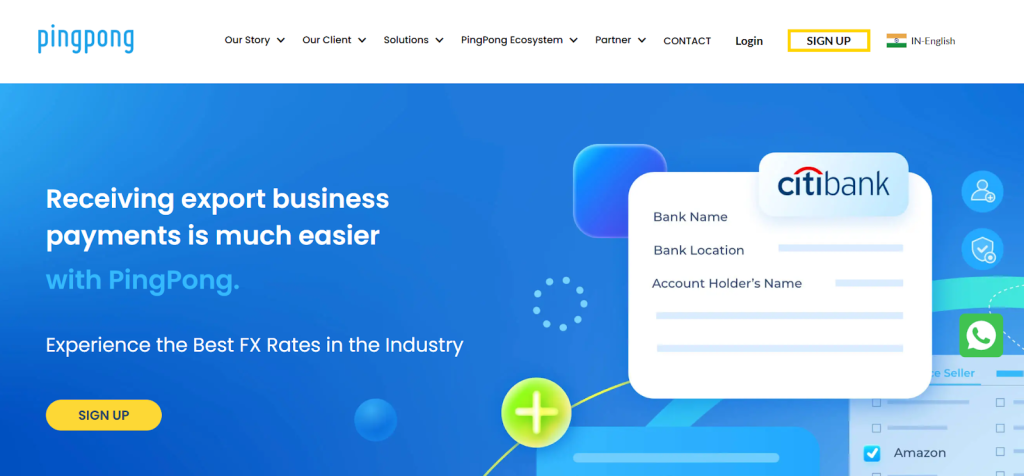
PingPong is catching up with user-friendly dashboards and API integrations tailored for sellers and SMEs. Businesses can manage multiple marketplaces, currencies, and payment methods in one place, offering both convenience and efficiency. For a full demo of PingPong’s interface, you can view it.
Security and Compliance
Both PayPal and PingPong prioritize security, with robust encryption and compliance measures. PayPal has long-standing credibility, whereas PingPong invests heavily in compliance with international banking regulations, ensuring safe and secure cross-border transactions.
For businesses, especially SMEs entering new markets, having a platform that combines speed, affordability, and compliance is critical. PingPong positions itself as a strong alternative to traditional giants in this respect.
Final Verdict: Can New Fintechs Compete?
While PayPal remains a dominant force in digital payments, new fintech companies like PingPong are proving that innovation, niche specialization, and cost efficiency can level the playing field. For businesses seeking optimized B2B payment solutions, faster international transfers, and competitive fees, PingPong is a compelling option worth exploring.
As the fintech sector continues to evolve, the real winners will be businesses that embrace flexible, modern solutions without being tied to legacy platforms. You can explore PingPong’s services and see why many businesses are making the switch—view it today.