Sensors have quietly become one of the most influential technologies in the modern world. Whether in homes, workplaces, transportation systems, or industrial environments, sensors help devices understand their surroundings and respond intelligently. This invisible layer of technology enables automation, improves safety, boosts efficiency, and supports the growing ecosystem of smart products that people rely on every day.
Understanding the Role of Sensors in Daily Life
Most people use sensors without even noticing them. When a phone adjusts its brightness automatically, when doors open at a shopping mall, or when a smartwatch measures heart rate, sensors are working behind the scenes.
Improving comfort
Environmental sensors help regulate temperature, lighting, and air quality, making indoor spaces more pleasant and energy-efficient.
Enhancing safety
Smoke detectors, motion sensors, and occupancy sensors protect homes and buildings by detecting unusual conditions early.
Supporting convenience
From touchless faucets to automatic elevators, sensors make everyday tasks seamless and intuitive.
These small components contribute to a smoother, more connected lifestyle.
How Sensor Technology Powers Smart Homes
Smart homes depend heavily on sensors to function. They gather information and send signals to smart devices, allowing users to control their environment with minimal effort.
Lighting and ambience
Light sensors adjust brightness automatically, improving comfort while saving energy.
Climate control
Temperature and humidity sensors help air-conditioning and heating systems maintain ideal indoor conditions with better accuracy.
Security
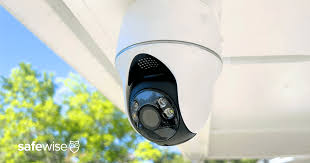
Cameras, door sensors, and window sensors notify homeowners of activity and help prevent intrusions.
Smart appliances
Refrigerators, washing machines, and cooking devices often use sensors to optimize performance and reduce energy use.
As smart homes grow more advanced, sensors will continue playing a central role in automation and intelligent decision-making.
Industrial Applications and Technological Advancement
Beyond homes, sensors are essential to industries where precision and speed matter.
Manufacturing
Sensors monitor machinery performance, detect faults early, and ensure products meet quality standards. Automation lines depend on constant feedback from sensors to keep production running smoothly.
Logistics and supply chain
Temperature sensors protect sensitive goods, motion sensors track packages, and proximity sensors help automated systems move safely in warehouses.
Automotive
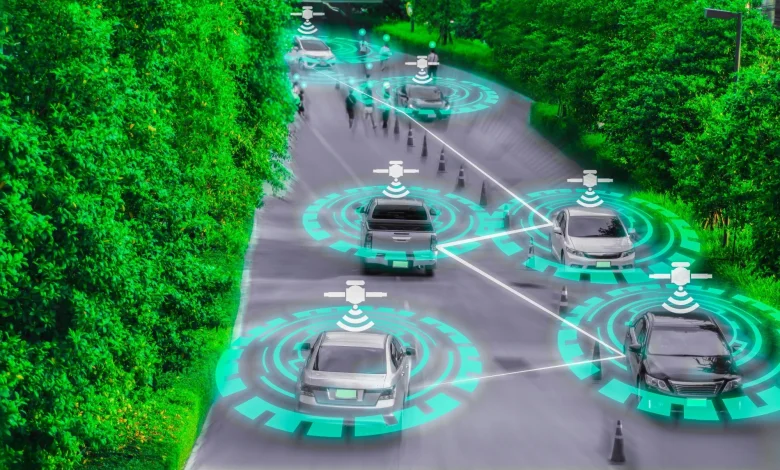
Modern vehicles include dozens of sensors—measuring speed, pressure, temperature, vibration, and more. Advanced driver-assistance systems rely on sensors to improve safety and vehicle responsiveness.
Healthcare
Medical equipment uses sensors to monitor vital signs, track health data, and support accurate diagnosis.
These applications demonstrate how sensors help industries operate safely and efficiently.
Precision and Reliability in Modern Sensors
As technology evolves, the demand for accurate and reliable sensors increases. Modern electronics require precise measurements to function properly and deliver consistent results.
Higher sensitivity
Sensors today can detect even the smallest changes in temperature, light, movement, or pressure.
Faster response
Real-time reactions are essential in fields such as automation, healthcare, and transportation.
Improved durability
New materials and manufacturing techniques allow sensors to withstand harsh environments, including extreme temperatures or heavy vibration.
Innovative companies worldwide continue to refine sensor technology. In Asia, advancements like 台灣光電感測器 demonstrate how precise optical sensing has become essential in fields ranging from consumer electronics to industrial automation.
How Sensors Contribute to Sustainable Development
Sustainability is becoming a global priority, and sensors play a major role in helping societies manage resources responsibly.
Energy optimization
Sensors reduce waste by controlling lighting, adjusting equipment performance, and monitoring building energy use.
Environmental monitoring
Air, water, and soil sensors help communities understand ecological conditions and respond to pollution early.
Smart agriculture
Sensors measure soil moisture, weather patterns, and crop conditions, helping farmers increase yield while reducing water and chemical usage.
Smart cities
Traffic sensors, waste monitoring systems, and public safety technologies help cities operate efficiently and sustainably.
These applications show how sensors support greener, more sustainable living.
The Growing Role of Sensors in Personal Technology
Personal devices continue to evolve with the help of advanced sensing capabilities.
Wearables
Fitness trackers and smartwatches rely on heart rate, motion, and temperature sensors to provide accurate health insights.
Mobile devices
Phones use proximity sensors, light sensors, and biometric sensors to enhance usability and security.
Gaming and entertainment
Motion sensors and trackers create immersive experiences in VR and interactive gaming systems.
Home fitness
Digital exercise equipment uses sensors to track performance and provide personalised training data.
Sensors are now central to personal technology, enabling smarter features and greater convenience.
Challenges in Sensor Technology
Despite rapid advancements, sensor technology faces challenges that researchers and manufacturers continue to address.
Data accuracy
Sensors must deliver reliable data even when used in difficult conditions.
Power consumption
Devices must use minimal energy to remain efficient, especially in portable electronics.
Integration
Combining multiple sensors in compact devices requires careful design and engineering.
Cost considerations
High-performance sensors must remain affordable to reach mass-market applications.
Solving these challenges will open the door for even more advanced sensor-driven technology.
The Future of Sensor Innovation
Sensor technology will continue to shape the next generation of devices and systems.
AI-driven sensing
Artificial intelligence will help interpret sensor data more accurately and predict future conditions.
Miniaturization
Sensors will become even smaller, allowing more features in compact devices.
Multi-sensor integration
Future systems will combine optical, motion, temperature, and environmental sensors for smarter and more responsive performance.
Expanded applications
Fields like robotics, autonomous vehicles, medical diagnostics, and smart infrastructure will see even greater reliance on sensors.