
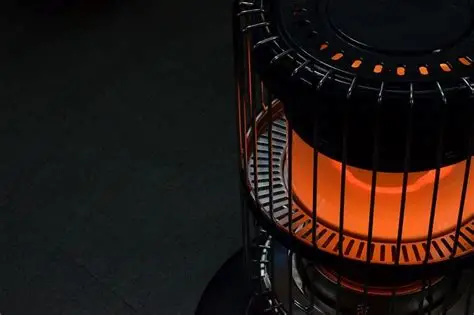
Most people in the UK do not think about emergency heating until they are already sitting in a cold house, wrapped in a blanket, watching their breath fog up the air. Power cuts are not everyday life, but they do happen, and winter makes them feel ten times worse.
A bit of planning now means you are not scrambling later. This is where heaters for emergency preparedness and a simple plan for warmth become part of sensible home care.
Why emergency heating matters in the UK
When temperatures drop, a home loses heat quickly, especially older properties with drafts. If the power goes out or your main system fails, the house can become uncomfortable and even unsafe for young children, older relatives, or anyone with health issues.
Thinking about emergency heating solutions in UK homes is not dramatic. It is practical emergency home readiness.
Heating for power cuts: what is realistic
The first thing to know is that most plug in heaters are useless if the electricity is off. That sounds obvious, but it catches people out.
Backup heating solutions that do not rely on luck
If you are planning heating for power cuts, think in layers. The first layer is reducing heat loss. Draft excluders, thick curtains, and keeping doors shut in one “warm room” are part of winter power outage readiness. The second layer is safe, portable heat, but only if it can run without mains power.
Portable heaters for emergencies: what to consider
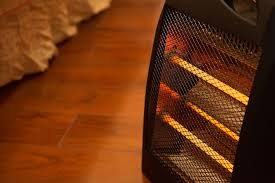
Some households keep portable heaters as part of their emergency plan, but you need to choose carefully and use them safely.
Portable heaters for emergencies and safe use
If you use any fuel based heater indoors, ventilation and carbon monoxide risk become serious. Never use outdoor only heaters inside the home. The NHS mentioned that you should always keep a working carbon monoxide alarm. This is basic household safety preparation, not optional.
For many homes, the safest “heater” for emergency situations is not a powered appliance. It is insulated bedding, hot water bottles, and heat retention in one room. That might sound underwhelming, but it works.
Emergency kits with heaters and warmth planning
A good plan is not just a heater. It is the full set up around it.
Emergency kits with heaters should include more than heat
If you are building emergency kits with heaters, include spare batteries for alarms, torches, a power bank, warm blankets, gloves, and a simple way to heat water safely if you can. Keep these in an easy to reach place, not buried in a loft.
How to prepare heating for blackouts in UK winters
This is the part that makes the biggest difference, and it does not cost much.
Cold weather emergency planning you can do now
Pick your warm room. Ideally, it is a smaller room with a door you can close. Store extra blankets there. Add draft strips and a thick curtain if needed. Know where your shut offs are and keep key numbers saved. That is real cold weather emergency planning.
Emergency Heating FAQs for Cold Weather Preparedness
Which emergency heater is safest to use when the power goes out?
For most homes in the UK, the safest option is actually no heater at all. It’s insulation and minimizing heat loss, keeping yourself bundled up and staying in one room. Blankets, hot water bottles, and sleeping bags can all keep you warmer than many backup heaters when the electricity goes out. Consider passive heating options first.
Can I use my gas/fuel heater inside when there’s a power cut?
Only if it’s designed for indoor use, and you follow the safety instructions carefully. Never use fuel-powered heaters indoors unless the room is well ventilated, and you have a CO alarm that works during power cuts. Do not use outdoor heaters inside, even for a short time.
Should I get a portable heater for emergencies?
Portable heaters can be part of an emergency plan, but don’t rely on them too much. Most will still need electricity, and if the power grid goes down they won’t turn on. Include one with your emergency heating preparations but focus on non-electric methods first.
How do I winter-proof my house for power outages?
Start with small steps. Pick a room you can keep warm, seal off drafts, hang thick curtains, and avoid opening the door. Keep blankets and winter clothes in that room. Some of the best heating prep for power cuts can cost nothing.
What should I include in my emergency heating kit?
Think beyond heaters. A warmth emergency kit can include blankets, flashlights, extra batteries, a power bank, mittens, beanies, and thermal gloves. It can even have a way to heat water safely. Easier said than done at the moment? Keep it all in one place.
Do I need emergency heating where I live?
Yes, if you live in the UK. Our homes lose heat very quickly, and even brief power outages can leave us cold and uncomfortable. “Emergency heating” doesn’t mean “prepping for the apocalypse”. It’s just being prepared for everyday home life.
What’s the worst advice on emergency heating I’ll find?
Solutions that involve just a single thing. One space heater isn’t an emergency plan, it’s something to use when your plan kicks in. Emergency heating should have layers too. Limit heat loss, decide where you’ll shelter, and then consider heating equipment.
Final thought
Emergency planning is not about fear. It is about staying warm and safe when something unexpected happens. With a warm room plan, heat loss prevention, and sensible backup heating solutions, your home is far better prepared for winter disruption.