
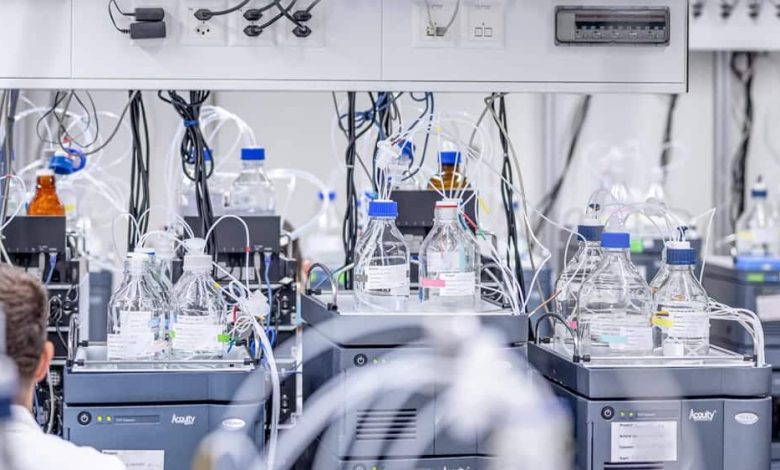
In peptide research, quality control is not optional. It determines whether laboratory results are reliable or completely misleading. A peptide that contains impurities, incorrect sequences, or unstable compounds can ruin months of research work. That is why modern peptide manufacturing relies on strict quality control systems at every stage of production.
Research laboratories depend on consistent, high‑purity materials to study biological pathways, hormone signaling, metabolism, and cellular repair. When a peptide is properly synthesized, purified, and verified, scientists can trust their experimental data. Without that verification, even well‑designed experiments may produce inaccurate conclusions.
Reliable suppliers such as Pharmagrade Peptides focus heavily on strict testing protocols to ensure that research peptides meet laboratory standards. These quality procedures allow scientists to run experiments with confidence and repeat results across different studies.
The Most Critical Stages of Peptide Quality Control
Peptide manufacturing involves multiple steps, and quality control must happen at each one. A mistake at any stage can affect the final compound.
The key stages include:
- Peptide synthesis
- Cleavage and initial purification
- Advanced purification
- Analytical testing
- Stability verification
Each stage plays an important role in ensuring that the peptide researchers receive matches the intended molecular structure.
Raw Material Verification
Quality control begins before the peptide is even synthesized. The raw materials used in peptide production must be carefully tested.
Amino acids, reagents, and solvents must meet strict purity standards. If the starting materials contain contaminants, those impurities may remain in the final peptide compound.
Manufacturers perform several checks at this stage:
- Identity verification of amino acids
- Purity testing of reagents
- Contamination screening
- Storage condition monitoring
High‑quality suppliers invest heavily in validated raw materials because the reliability of peptide synthesis depends on them.
Precision in Peptide Synthesis
Modern peptide manufacturing typically uses solid‑phase peptide synthesis (SPPS). This technique allows scientists to build peptides step by step, adding one amino acid at a time.
Although the method is highly efficient, errors can still occur. Incomplete reactions, side reactions, or sequence mismatches may produce defective peptides.
To prevent these issues, manufacturers apply strict monitoring during synthesis. Automated systems track reaction progress and verify that each amino acid attaches correctly.
Quality checkpoints during synthesis often include:
- Reaction monitoring
- Coupling efficiency checks
- Sequence confirmation during synthesis
These procedures significantly reduce the chance of producing incorrect peptide sequences.
Advanced Purification Techniques
After synthesis, peptides must be purified to remove unwanted byproducts. These byproducts may include incomplete peptides, reagents, or synthesis fragments.
One of the most widely used purification methods is High‑Performance Liquid Chromatography (HPLC). This technique separates compounds based on their chemical properties.
Purification helps achieve the high purity levels required for laboratory research, often exceeding 98% or 99% purity.
Effective purification ensures that researchers receive peptides that behave predictably in biological systems.
Analytical Testing: Confirming the Peptide Structure
Purification alone does not guarantee accuracy. Scientists must confirm that the peptide has the correct molecular structure.
This is where analytical testing becomes essential.
Mass Spectrometry
Mass spectrometry verifies the molecular weight of the peptide. By measuring the mass of the compound, scientists can confirm that the correct sequence has been produced.
If the mass does not match the expected value, the peptide may contain errors or missing amino acids.
High‑Performance Liquid Chromatography (HPLC) Analysis
HPLC analysis also provides a purity profile. Researchers examine chromatogram peaks to determine whether contaminants are present.
A clean chromatogram typically indicates a well‑purified peptide.
Sequence Verification
In advanced laboratories, additional techniques may be used to verify the exact amino acid sequence. This step provides an extra layer of confidence for critical research projects.
Stability and Storage Testing
Peptides are sensitive molecules. Environmental conditions can affect their stability.
Factors that may degrade peptides include:
- Heat
- Light
- Moisture
- Oxidation
Because of this sensitivity, manufacturers test peptide stability under controlled conditions. These tests determine how long the peptide remains stable and what storage conditions are required.
Proper storage recommendations often include:
- Freezer storage
- Light‑protected containers
- Controlled humidity environments
These precautions help maintain peptide integrity until researchers use the material.
Documentation and Certificates of Analysis
Professional peptide suppliers provide detailed documentation to support their quality control procedures.
The most important document is the Certificate of Analysis (COA). This report summarizes key testing results for each peptide batch.
A typical COA includes:
- Purity percentage
- Molecular weight confirmation
- Analytical method details
- Batch identification
- Storage recommendations
Researchers rely on these documents to verify that their materials meet scientific standards.
The Importance of Batch Consistency
In research environments, consistency is just as important as purity.
Scientists often repeat experiments multiple times. If different batches of peptides vary in quality, experimental results may change.
Batch consistency ensures that:
- experiments remain reproducible
- results can be validated by other laboratories
- scientific publications remain credible
Reliable manufacturers maintain strict production protocols to minimize variation between peptide batches.
Third‑Party Testing and Independent Verification
Some peptide manufacturers go a step further by using independent laboratories to verify product quality.
Third‑party testing provides an unbiased confirmation of purity and molecular structure.
Independent verification may include:
- external HPLC analysis
- independent mass spectrometry
- contamination screening
This additional layer of testing increases trust among research institutions and biotechnology companies.
Why Researchers Carefully Choose Their Peptide Suppliers
Scientists do not choose peptide suppliers randomly. They evaluate several factors before purchasing research materials.
Common criteria include:
- verified purity levels
- transparent analytical data
- consistent batch quality
- proper storage and shipping conditions
Many research teams rely on pharmagrade peptides when they require peptides that meet strict laboratory standards. Others explore platforms such as PeptidesSource when comparing available research compounds and documentation.
The goal is always the same: obtaining peptides that produce reliable and repeatable research outcomes.
Quality Control Challenges in the Peptide Industry
Despite technological progress, maintaining consistent peptide quality remains challenging.
Several issues can affect manufacturing:
- complex peptide structures
- synthesis errors
- contamination risks
- improper storage conditions
As peptide sequences become longer and more complex, manufacturing accuracy becomes even more important.
Manufacturers must constantly refine their production techniques to maintain the high standards required for modern biotechnology research.
Emerging Technologies Improving Peptide Quality
Advances in biotechnology are helping improve quality control across the peptide industry.
Several innovations are making peptide manufacturing more reliable:
- automated synthesis monitoring
- advanced purification systems
- high‑resolution mass spectrometry
- AI‑assisted analytical analysis
These technologies help detect potential issues earlier in the production process.
As a result, manufacturers can correct problems before peptides reach research laboratories.
The Future of Quality Control in Peptide Manufacturing
Demand for research peptides continues to grow in pharmaceutical development, metabolic research, and regenerative medicine. As demand increases, quality control standards will become even stricter.
Future peptide manufacturing will likely involve:
- fully automated synthesis systems
- real‑time analytical monitoring
- stronger regulatory oversight
- enhanced purity verification technologies
These improvements will help ensure that peptides used in scientific research remain accurate, reliable, and reproducible.