
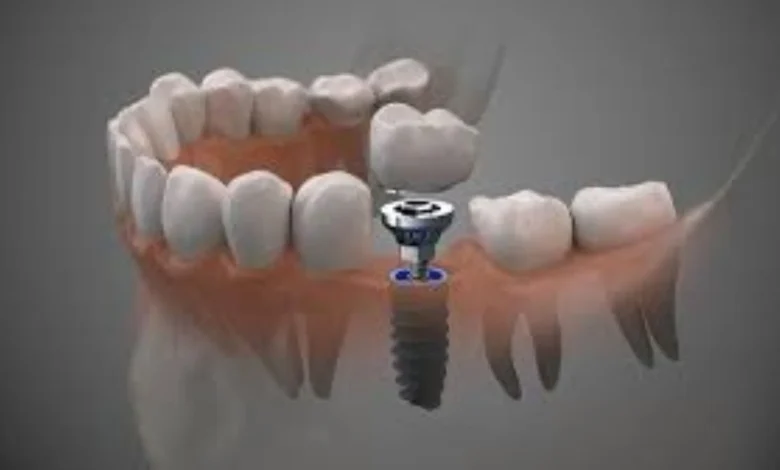
Dental implant care does not end after surgery. The way you clean your mouth, manage food choices, attend review appointments, and look after your gums all matter.
If you are considering Dental Implants Brisbane treatment, or you have already started your implant journey, this guide explains how to care for your dental implants from the first day after surgery through to long-term maintenance.
At Springfield Dental, implant care starts with clear instructions, careful planning, and ongoing review. Every patient heals differently, so your dentist will give advice based on your mouth, medical history, implant type, and treatment plan.
How Do You Care for Dental Implants?
To care for dental implants, you should:
● Keep the area clean as advised by your dentist
● Eat soft foods while the surgical site heals
● Avoid smoking or vaping during healing
● Avoid chewing hard foods on the implant site too early
● Take prescribed medication as directed
● Attend all follow-up visits
● Brush and floss daily once your dentist says it is safe
● Book regular dental check-ups and professional cleans
Contact your dentist if pain, swelling, bleeding, or discharge gets worse
Dental implants need healthy gums and good oral hygiene to stay stable. According to Teeth.org.au by the Australian Dental Association, an implant acts like an artificial tooth root placed in the jawbone, with the bone growing around the implant over time. This healing stage is an important part of treatment.
What Should You Do in the First 24 Hours After Dental Implant Surgery?
The first 24 hours are about rest, protection, and bleeding control.
You should follow the instructions given by your dentist. Most patients are advised to avoid touching the area, avoid rinsing too strongly, and avoid eating hard or hot foods straight after surgery.
Helpful steps include:
● Rest after your appointment
● Use gauze as directed if bleeding occurs
● Avoid strenuous exercise
● Avoid alcohol
● Do not smoke or vape
● Do not spit forcefully
● Do not drink through a straw
● Eat soft, cool or lukewarm foods
● Take medication only as directed
Healthdirect notes that recovery advice after implant surgery often includes soft foods while the surgery site heals, pain relief if needed, antibiotics if prescribed, and using mouthwash instead of brushing or flossing around the area for a short period when advised.
What Foods Should You Eat After Dental Implant Surgery?
Food choices matter during healing. Your mouth needs time to settle, and the implant site should not take heavy chewing pressure too early.
Good food options after dental implant surgery include:
● Yoghurt
● Mashed potato
● Scrambled eggs
● Soft pasta
● Soup that is warm, not hot
● Smoothies without a straw
● Soft fish
● Steamed vegetables
● Porridge
● Avoid foods that are:
● Hard
● Crunchy
● Sticky
● Spicy
● Very hot
● Difficult to chew
Do not chew directly on the implant site until your dentist confirms it is safe. This helps protect the healing gum and bone around the implant.
How Should You Clean Your Mouth After Dental Implant Surgery?
You still need to keep your mouth clean, but you need to be gentle near the surgical area.
Your dentist might advise you to:
● Brush the other teeth gently
● Avoid brushing the surgical site for a short period
● Use a prescribed mouth rinse if given
● Use warm salt water rinses when advised
● Avoid poking the area with your tongue or fingers
● Avoid flossing near the implant site until cleared
Once healing improves, your dentist will guide you on brushing around the implant, flossing, and using interdental brushes if suitable.
Good cleaning reduces plaque build-up. Plaque around implants increases gum inflammation risk. Over time, poor gum health around implants can affect the bone that supports them.
When Can You Brush Around a Dental Implant?
You should not guess this. Your dentist will tell you when to brush near the implant site.
In many cases, patients brush the rest of the mouth from the next day while avoiding direct pressure on the surgical site. The implant area is usually cleaned with a mouth rinse or gentle rinsing method until the gum starts healing.
Once your dentist confirms it is safe, use:
● A soft-bristled toothbrush
● Gentle pressure
● Small circular movements
● Low-abrasive toothpaste
● Careful cleaning around the gumline
● Do not scrub the implant area. Gentle cleaning works better than force.
How Long Does Dental Implant Healing Take?
Healing time differs from patient to patient.
Teeth.org.au explains that the jawbone grows around the implant screw, and this process takes about three months in many cases.
Your healing time depends on:
● Your bone quality
● Your gum health
● Whether bone grafting was needed
● Your medical history
● Smoking or vaping habits
● The number of implants placed
● How well you follow aftercare instructions
● Whether the implant supports one tooth, several teeth, or a full arch
Some patients need longer healing before the final tooth, crown, bridge, or denture is placed. Your dentist will review your progress before moving to the next stage.
What Signs Should You Watch After Dental Implant Surgery?
Some discomfort, swelling, or mild bleeding can happen after surgery. This should improve with time.
Contact your dentist if you notice:
● Pain that gets worse instead of better
● Swelling that increases after a few days
● Bleeding that does not settle
● Pus or discharge
● Bad taste that does not go away
● Fever
● The implant area feels loose
● Difficulty opening your mouth
● Numbness that does not improve
Do not wait if something feels wrong. Early review helps your dentist check the area and manage problems before they progress.
Can Smoking Affect Dental Implant Healing?
Smoking and vaping can affect gum and bone healing. They can also increase the risk of infection and implant complications.
If you smoke, speak with your dentist before implant treatment. Your dentist can explain how smoking affects healing and what steps you should take before and after surgery.
For long-term implant care, quitting smoking gives your gums and bone a better chance of staying healthy.
How Often Should You Visit the Dentist After Dental Implants?
Your dentist will set your review schedule.
● You may need visits:
● A few days after surgery
● One to two weeks after surgery
● During the healing phase
● Before the final tooth is fitted
● After the final crown, bridge, or denture is placed
● Every six months or as advised
Some patients need more frequent visits, especially if they have gum disease, diabetes, a history of smoking, or full-arch implant work.
What Happens If Food Gets Stuck Around Dental Implants?
Food trapping around implants should not be ignored.
If food keeps catching around your implant crown or bridge, the shape, contact point, or cleaning access might need review.
You should:
● Rinse gently after meals
● Use floss or interdental brushes only as advised
● Avoid using sharp objects
● Book a dental review if food keeps getting stuck
● Your dentist can check whether the implant crown, bridge, or surrounding gum needs attention.
If you are looking into Dental Implants Brisbane treatment, aftercare should be part of your decision from the start. Ask your dentist what the full care plan includes, how many review visits are needed, and what you should expect during healing.
Our Wider Dental Locations Across Australia
Our dental clinic network supports patients in different areas of Australia.
If you are in Queensland and looking for Dental Implants Brisbane, Springfield Dental is located at 6/6 Commercial Drive, Springfield QLD 4300.
If you are in Perth and looking for Dental Implants Perth, our Perth clinic is located at Level 1, Wentworth Building, 300 Murray St, Perth WA 6000. Perth Dental Rooms provides dental care from this Perth CBD location.
This gives patients in different locations an option to book a consultation closer to where they live or work. Suitability, treatment steps, costs, and timelines are confirmed after a clinical consultation.
Dental Implant Care at Springfield Dental
Springfield Dental provides dental implant consultations and dental care from:
Springfield Dental
6/6 Commercial Drive
Springfield QLD 4300
Phone: (07) 3818 9100
The team provides general dentistry, emergency dental care, cosmetic dentistry, dental implants, children’s dentistry, wisdom teeth services, crowns, bridges, veneers, teeth whitening, and Invisalign treatment.
For patients searching for a cosmetic dentist in Brisbane, Springfield Dental offers cosmetic dental options such as veneers, teeth whitening, Invisalign, crowns, and smile makeover planning. Cosmetic treatment suitability depends on your oral health, bite, gum condition, and treatment goals. Your dentist will explain your options after a clinical assessment.
Springfield Dental also provides care for patients who need routine check-ups, fillings, toothache assessment, broken tooth care, gum health support, and emergency appointments.
Questions to Ask Before Starting Dental Implant Treatment
Before you choose dental implant treatment, ask your dentist:
- Am I suitable for dental implants?
- Do I have enough bone for an implant?
- Do I need gum treatment first?
- Will I need a bone graft?
- How long will healing take?
- What should I avoid after surgery?
- How many review visits will I need?
- What are the risks in my case?
- What will the final tooth or teeth be made from?
- How do I clean around the implant at home?
- What costs are involved?
- What payment options are available?
Good implant care starts before surgery. Clear answers help you understand the process and prepare for aftercare.