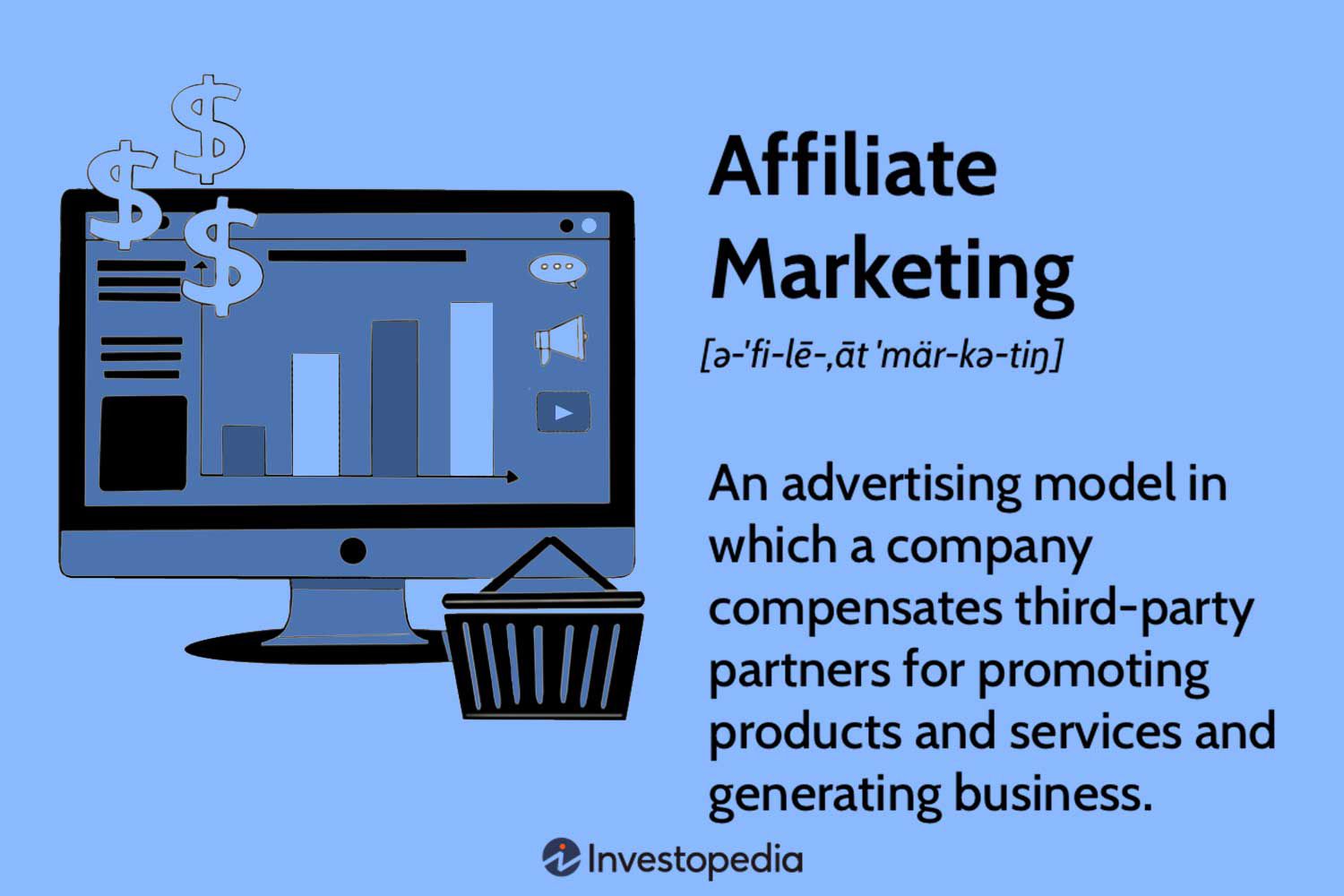

For a small business, a first impression rarely happens in just one place. A potential customer might see a social post, read an article, visit a website, or pick up a business card at an event. When these touchpoints feel consistent and useful, they make it easier for people to understand what the business does and decide whether to get in touch. Creating that consistency does not require a large marketing budget, but it does require some planning.
Start with a clear message
Before choosing colours, writing posts, or printing materials, decide what customers should understand about the business. A short description of the service, the people it helps, and the problem it addresses can guide later decisions. If the message changes from one channel to another, customers may be left unsure about what is offered.
Keep the wording straightforward. A specialist may be used to industry terms, but a new customer may not be. Ask someone unfamiliar with the business to read the description and explain what they think it means. Their response can reveal jargon or gaps that are easy to miss when you work with the subject every day.
Make online information useful
A website or profile should answer common questions quickly: what the business provides, who it serves, how to make an enquiry, and what happens next. Contact details should be current, pages should work well on mobile devices, and important information should not be hidden behind several menus.
Useful content can also help people discover a business before they are ready to buy. A practical article might explain how to compare options, prepare for a service, or avoid a common mistake. The best subject is one that reflects genuine customer questions rather than an attempt to include every possible search phrase.
Guest articles can extend this approach by introducing a business’s expertise to readers of relevant publications. Relevance matters more than simply finding a large list of websites: a publisher’s audience, subject matter, and editorial standards should make sense for the intended reader. For research, marketers can browse guest-posting websites and blogs, then assess individual opportunities carefully before pitching.
Keep visual details consistent
A logo, a small set of colours, and a readable type style can help different materials feel connected. Consistency does not mean every page or post must look identical. It means using a recognisable visual approach while adapting the layout to the purpose and device.
Check that text remains legible on small screens and that colour contrast is sufficient. Images should support the message rather than distract from it, and any graphics used in print need to be prepared at the quality and dimensions required by the printer. Saving a simple set of brand colours, logo files, and type choices in one shared folder makes future updates easier.
Plan print materials before ordering
Business cards are still useful at meetings, events, and local appointments, but their dimensions are not identical everywhere. People sometimes ask, “are business cards A7?” A7 is a paper size, and a typical business card is generally smaller; however, card dimensions vary by country and printer. Check the finished size, bleed, and safe area before preparing a design. Osdire’s global business card size guide outlines regional measurements and print setup considerations.
A card needs only enough information to make a next step easy. Include the person’s name or business name, a clear way to make contact, and a website or other relevant destination. A QR code can be convenient when it leads to a mobile-friendly page, but it should be tested on more than one device and should not replace essential contact information.
Before ordering a full batch, request a proof or print a sample. Small text, thin lines, and colours can look different on paper than they do on a screen. Checking a physical sample can prevent avoidable reprints.
Use freelance support with a defined brief
Some businesses have the time to produce their own materials; others may need help with design, writing, photography, or web development. When hiring a freelancer, describe the audience, purpose, format, deadline, and any required files. Include examples of what feels suitable, but leave room for the freelancer to recommend a better solution.
Marketplaces such as Osdire bring buyers and freelancers together across more than 900 categories, including design, writing, programming, photography, and marketing. A clear brief makes it easier to compare relevant skills and agree on deliverables. Before work begins, confirm the scope, revision expectations, and file formats. For a fixed-price order, understand how payment and approval work so both sides have clear expectations.
Review the experience regularly
Business information can become outdated as services, staff, or contact details change. Schedule occasional checks of the website, social profiles, printed materials, and any articles that still attract readers. Correct errors, remove obsolete details, and make sure each channel points customers toward a current next step.
A coherent business presence is built through many small decisions: clear language, relevant content, readable design, accurate print specifications, and dependable follow-through. When these elements support one another, customers can recognise the business, understand its value, and contact it with less friction.