
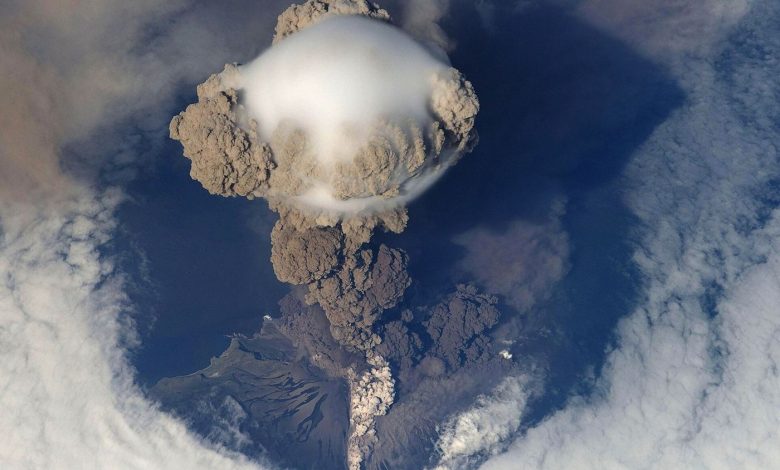
Long before a volcano erupts, the gases seeping from its vents often change, rising in volume or shifting in composition as magma moves closer to the surface. Scientists are now tracking those gas plumes with a combination of ground sensors, drones and satellites, giving nearby communities earlier warnings than seismic monitoring alone can provide. Sulphur dioxide is the key signal, since it is released in large amounts by rising magma and can be measured from space even at remote volcanoes that have no instruments on the ground. Volcano observatories say the gas data has already helped them raise alert levels ahead of several eruptions, allowing evacuations and road closures to begin before ash started falling. The approach is spreading to volcanoes in island nations and developing countries, where monitoring resources are thin but the risks to nearby towns are high.
What the Evidence Shows
Gas monitoring works best when combined with other measurements, since a change in gas output can also reflect weather or a shift in wind rather than new magma. Observatories therefore pair gas sensors with seismometers that detect the tremors of moving rock, and with satellite images that track ground swelling. Drones are increasingly used to sample plumes directly, flying into gas clouds that would be dangerous for people on foot. Researchers acknowledge that forecasting remains imperfect, and false alarms can erode public trust if warnings are raised too often. Even so, they say the steady improvement in gas tracking is saving lives, and that the goal is not perfect prediction but enough warning for people to move out of harm’s way in time. Observatory staff add that community drills, run alongside the monitoring, help residents practise evacuation routes so the warning time gained by gas tracking is actually used well. Reporting and analysis from sources such as Nature track the same developments, and specialists following the volcanic gas plume tracking say the direction is now consistent across independent lines of evidence.
The Wider Context
The wider context is a research landscape in which replication and open data now decide reputations. Findings connected to the volcanic gas plume tracking are being checked by independent groups with shared datasets, and the teams involved publish their methods in full so rivals can test every step. That discipline is slower than a headline cycle, but it is why results in this area increasingly survive first contact with scrutiny.
What Happens Next
What happens next in the story of the volcanic gas plume tracking will be decided by follow-up work already under way: larger samples, longer observation and instruments that have not yet come online. The researchers involved are unusually united on one point, that the current results justify the next investment of time and money. Readers will not have to wait long for the first tests of that claim. You can follow related developments in our coverage of science.
None of this will be settled by a single announcement, study or product launch. The pattern to watch is accumulation: independent confirmations, honest reporting of failures and steady improvement in the underlying numbers. Readers who follow those signals, rather than the loudest claim of the week, will understand this subject better than most of the commentary surrounding it suggests is possible.