
The digital world has transformed how people live, work, communicate, and manage information. From online banking and cloud storage to smart devices and remote work systems, nearly every aspect of modern life depends on connected technology. While these innovations bring convenience and efficiency, they also create new opportunities for cybercriminals to target personal and business information. As organizations continue to embrace digital transformation, the importance of cybersecurity has never been greater.
Protecting sensitive data requires more than simply installing antivirus software or setting strong passwords. Businesses and individuals must adopt a proactive approach that addresses evolving cyber threats, data breaches, ransomware attacks, and unauthorized access. Effective cybersecurity strategies help reduce risks, strengthen digital defenses, and ensure that critical information remains secure in an increasingly connected world. Understanding these strategies is essential for anyone who wants to protect valuable data and maintain trust in today’s technology-driven environment.
Understanding the Modern Cybersecurity Landscape
Technology continues to evolve at a rapid pace, creating both opportunities and challenges for organizations worldwide. Businesses now rely on cloud platforms, mobile applications, connected devices, and remote work environments to operate efficiently. However, these advancements also expand the attack surface that cybercriminals can exploit. Threat actors use sophisticated methods to gain access to networks, steal sensitive information, and disrupt operations. As a result, cybersecurity has become a critical component of business continuity and digital resilience.
The modern threat landscape includes phishing scams, malware infections, ransomware campaigns, insider threats, and advanced persistent attacks. Cybercriminals often target weaknesses in software, human behavior, and network configurations. Organizations that fail to keep pace with emerging risks may experience financial losses, reputational damage, and regulatory penalties. Developing a strong understanding of cybersecurity risks allows businesses to implement effective safeguards and reduce their exposure to potential threats.
Building Strong Access Control and Authentication Systems
One of the most effective ways to protect sensitive data is through robust access control measures. Access management ensures that only authorized individuals can view, modify, or share critical information. Without proper controls, unauthorized users may gain entry to systems and compromise valuable assets. Implementing role-based access policies helps organizations limit access according to job responsibilities and operational requirements.
Multi-factor authentication has become an essential cybersecurity practice for strengthening account security. By requiring users to verify their identity through multiple methods, organizations can significantly reduce the risk of unauthorized access. Even if a password is compromised, additional verification steps provide another layer of protection. Combined with strong password policies, account monitoring, and identity management solutions, authentication systems play a vital role in safeguarding digital environments against modern cyber threats.
Securing Networks and Connected Devices
As businesses expand their digital infrastructure, securing networks becomes increasingly important. Networks serve as the foundation for communication, data transfer, and system operations. A vulnerable network can provide attackers with opportunities to infiltrate systems and access confidential information. Organizations must implement comprehensive network security measures to protect data traveling across internal and external environments.
Firewalls, intrusion detection systems, endpoint protection tools, and network segmentation are essential components of effective cybersecurity programs. These technologies help identify suspicious activity, block malicious traffic, and contain potential threats before they spread throughout an organization. Additionally, connected devices such as smartphones, tablets, and Internet of Things equipment should be regularly monitored and updated. Maintaining secure configurations and applying software patches promptly reduces vulnerabilities that attackers commonly exploit.
The Importance of Data Encryption and Backup Solutions
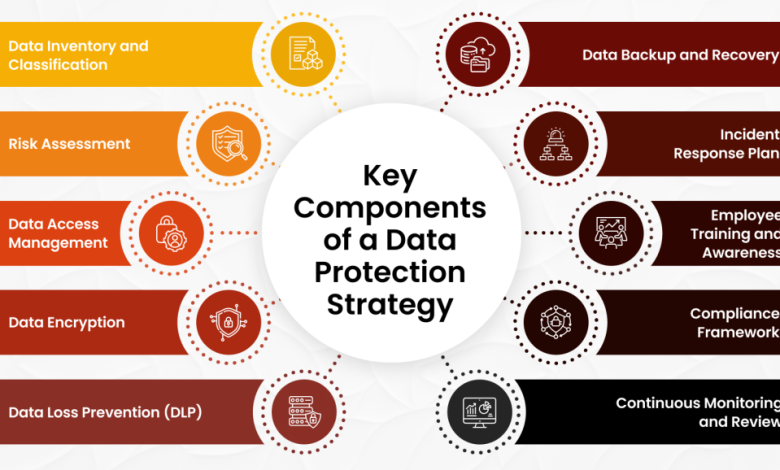
Data protection remains a central goal of cybersecurity efforts. Sensitive information, including customer records, financial details, intellectual property, and business communications, must be protected from unauthorized access. Encryption is one of the most powerful tools available for securing data both at rest and during transmission. By converting information into unreadable code, encryption ensures that even if data is intercepted, it cannot be easily accessed without proper authorization.
Regular data backups provide another critical layer of defense against cyber incidents. Ransomware attacks, hardware failures, and accidental deletions can result in significant data loss if backup systems are not in place. Organizations should establish reliable backup procedures that store copies of critical data in secure locations. Testing recovery processes regularly helps ensure that information can be restored quickly during emergencies. Together, encryption and backup strategies enhance cybersecurity resilience and minimize the impact of potential disruptions.
Strengthening Human Awareness Through Security Training
Technology alone cannot prevent every cyber threat. Human error remains one of the leading causes of security incidents across industries. Employees often become targets of phishing emails, social engineering tactics, and fraudulent communications designed to steal credentials or gain unauthorized access. Because people interact with digital systems daily, security awareness training is a vital component of any cybersecurity strategy.
Organizations should provide ongoing education that teaches employees how to recognize suspicious activity, handle sensitive information responsibly, and follow security best practices. Training programs should include real-world examples, simulated phishing exercises, and clear guidance on reporting potential threats. When employees understand their role in protecting organizational assets, they become an active part of the cybersecurity defense framework. Creating a culture of security awareness helps reduce vulnerabilities and supports long-term risk management objectives.
Adopting Continuous Monitoring and Incident Response Planning
Cybersecurity is not a one-time project but an ongoing process that requires continuous monitoring and improvement. New vulnerabilities, attack methods, and threat actors emerge regularly, making it essential for organizations to maintain visibility into their digital environments. Continuous monitoring allows security teams to detect unusual behavior, identify potential risks, and respond quickly to emerging threats before significant damage occurs.
An effective incident response plan ensures that organizations can manage security events efficiently when they occur. The plan should outline procedures for identifying incidents, containing threats, recovering affected systems, and communicating with stakeholders. Regular testing and updates help keep response strategies aligned with evolving business needs and threat conditions. Organizations that invest in monitoring and incident response capabilities can improve operational resilience, reduce recovery times, and strengthen overall cybersecurity preparedness.
Leveraging Emerging Technologies for Future Protection
The future of cybersecurity will be shaped by technological innovation and evolving threat landscapes. Artificial intelligence, machine learning, behavioral analytics, and automation are becoming increasingly valuable tools for detecting and responding to cyber threats. These technologies enable organizations to analyze large volumes of data, identify patterns, and recognize anomalies that may indicate malicious activity. By leveraging advanced security solutions, businesses can improve threat detection accuracy and respond more effectively to potential risks.
At the same time, organizations must remain aware of new challenges associated with emerging technologies. Cloud computing, remote work environments, and interconnected systems create additional security considerations that require careful planning and management. Businesses should continuously evaluate their security posture, adopt industry best practices, and invest in modern cybersecurity solutions that support long-term growth. Staying informed about technological developments helps organizations maintain strong defenses while adapting to an increasingly connected digital world.
Conclusion
Cybersecurity has become an essential requirement for protecting data, maintaining trust, and supporting business success in today’s connected environment. As technology continues to evolve, organizations face a growing range of cyber threats that can impact operations, finances, and reputation. Implementing strong access controls, securing networks, encrypting sensitive information, educating employees, and maintaining continuous monitoring are all critical steps toward building a resilient security framework.
Success in cybersecurity depends on a proactive and comprehensive approach that combines technology, processes, and human awareness. Organizations that prioritize data protection and regularly adapt to emerging threats are better positioned to safeguard their digital assets and maintain operational continuity. By embracing proven security strategies and staying vigilant in the face of evolving risks, businesses and individuals can confidently navigate the connected world while protecting the information that matters most.