
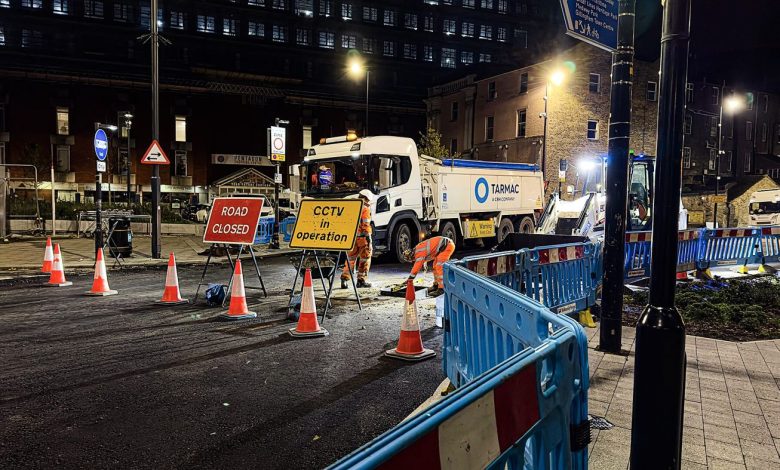
Drivers on several busy main roads can expect smoother journeys after crews completed a programme of overnight resurfacing work. Teams worked through the night laying fresh asphalt, repainting worn markings and replacing damaged sections near junctions where braking traffic had worn the surface unevenly. Working after dark kept daytime disruption to a minimum, although nearby residents were warned about noise and temporary diversions while machinery was on site. Road managers said the new surface should improve grip in wet weather and reduce the potholes that form when water seeps into cracks and freezes. Temporary speed limits stayed in place briefly while the fresh material settled and final checks were completed. The work was scheduled alongside other maintenance, including drain clearing and sign cleaning, so a single set of road closures could cover several jobs at once and reduce repeated disruption for regular users.
What the Evidence Shows
Motorists who used the routes this week said the difference was immediately noticeable, with quieter tyres and fewer jolts at patched junctions. Engineers explained that resurfacing at the right time is far cheaper than rebuilding a road whose foundations have failed, so planned maintenance protects public money as well as vehicles. Remaining work includes refreshing cycle lane paint, clearing loose gravel from footpaths and checking that new markings are visible in rain and low sun. Parish and city councillors, who had campaigned about the worst stretches, welcomed the completion but asked for a published schedule for the next round of repairs, so residents can see which roads are next in line for attention. Business owners along the routes thanked residents for their patience during the closures, saying deliveries had been rearranged successfully and that the improved surfaces should reduce vehicle damage and complaints in the months ahead. Reporting and analysis from sources such as Associated Press track the same developments, and specialists following overnight road resurfacing say the direction is now consistent across independent lines of evidence.
The Wider Context
Regional and local reporting on overnight road resurfacing often tells a different story from national coverage, because the effects land unevenly: one town’s pilot is another’s distant proposal. Analysts who follow the subject full-time read the local data first, arguing that national averages conceal the variation that decides whether a policy or a project deserves to spread.
What Happens Next
The longer story of overnight road resurfacing is still being written by the people closest to it, whose experience rarely matches the earliest predictions of either supporters or critics. Reporting will continue to follow the evidence as it accumulates, including where it complicates today’s account. That is the deal serious coverage makes with its readers, and it holds for this subject as for any other. You can follow related developments in our coverage of news.
It is also worth remembering how quickly the picture in this area has changed before. Positions that looked settled a few years ago have been revised as new data arrived, and the same humility is appropriate now. The strongest coverage of this subject, and the most useful advice, tends to come from sources that update their views openly when the facts move, rather than defending an earlier position long after it has stopped fitting the evidence available.