
Streaming technology has changed the way people watch television, movies, sports, and live events. Whether you enjoy entertainment through smart TVs, mobile devices, tablets, or streaming boxes, picture quality plays a major role in the viewing experience. One of the most common questions among streaming users is the difference between HD, Full HD, and 4K streaming. Understanding these formats can help you choose the right service and device while ensuring the best possible image quality for your home entertainment setup.
For viewers using IPTV services, including IPTV Canadian, selecting the right résolution is especially important because it affects image clarity, internet usage, device compatibility, and overall viewing satisfaction. As streaming platforms continue to improve content delivery, users are increasingly looking for higher-quality video options. However, bigger numbers do not always mean a better experience for every household. Factors such as screen size, internet speed, and viewing distance all influence which résolution works best for your needs.
What Does Resolution Mean in Streaming?
The term résolution refers to the number of pixels displayed on a screen. Pixels are tiny dots that form the images you see while watching content. The higher the number of pixels, the sharper and more detailed the picture becomes. Resolution is typically measured by the number of horizontal and vertical pixels contained within the video image.
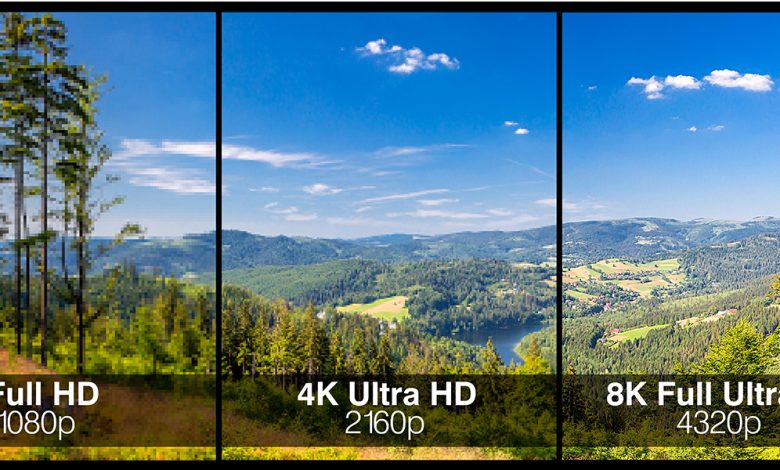
When discussing streaming quality, common resolutions include HD at 1280×720 pixels, Full HD at 1920×1080 pixels, and 4K at 3840×2160 pixels. Each step upward significantly increases image detail and clarity. Higher resolutions can make text easier to read, improve visual sharpness, and create a more immersive viewing experience. Streaming providers use advanced video compression technologies to deliver these resolutions efficiently over the internet while maintaining smooth playback for viewers.
Understanding HD Streaming Quality
HD, also known as 720p, was once considered a major upgrade from standard-definition television. Even today, HD remains a practical choice for many viewers because it provides a clear image while requiring less internet bandwidth than higher-resolution formats. For smaller screens such as smartphones, tablets, and compact televisions, HD often delivers a satisfying viewing experience without placing heavy demands on network resources.
One of the biggest advantages of HD streaming is accessibility. Users with moderate internet speeds can usually stream HD content smoothly without buffering interruptions. IPTV subscribers who watch casual entertainment, news broadcasts, or children’s programming may find HD perfectly suitable for their needs. While HD may not offer the same level of detail as Full HD or 4K, it remains a reliable option that balances picture quality and streaming efficiency, especially in households with multiple connected devices.
Why Full HD Remains a Popular Choice
Full HD, commonly referred to as 1080p, has become the standard resolution for many streaming services worldwide. With nearly twice as many pixels as HD, Full HD provides noticeably sharper images, improved detail, and better overall visual quality. This resolution performs exceptionally well on medium-sized televisions and computer monitors, making it a favorite choice for everyday viewing.
Many IPTV Canadian users prefer Full HD because it offers an excellent balance between image quality and bandwidth requirements. Sports events, movies, television series, and documentaries often look significantly better in Full HD compared to standard HD. Facial expressions become clearer, background details appear more refined, and fast-moving action scenes maintain better visual consistency. Since most modern streaming devices and televisions fully support Full HD, it continues to be one of the most practical and widely adopted resolutions available today.
The Benefits of 4K Streaming Technology
4K streaming represents one of the most significant advancements in home entertainment. With four times the pixel count of Full HD, 4K delivers exceptional sharpness, vibrant detail, and enhanced visual realism. Large-screen televisions especially benefit from 4K content because the increased pixel density helps maintain image quality even on screens exceeding 55 inches.
Modern IPTV platforms increasingly offer 4K channels and on-demand content to satisfy growing consumer demand for premium viewing experiences. Nature documentaries, sports broadcasts, blockbuster films, and travel programs often showcase the strengths of 4K resolution most effectively. Fine textures, intricate details, and expansive landscapes become more lifelike and immersive. However, viewers should remember that 4K streaming requires faster internet speeds and compatible hardware to fully enjoy its advantages. Without the proper setup, the benefits of 4K may not be as noticeable as expected.
Internet Speed and Device Requirements for Different Resolutions
Choosing the ideal streaming resolution involves more than simply selecting the highest available option. Internet speed plays a critical role in determining whether content can be streamed smoothly. HD streaming generally requires lower bandwidth and can function effectively on modest internet connections. Full HD demands more data but remains manageable for most modern broadband services. 4K streaming, however, requires substantially higher speeds to prevent buffering and maintain consistent image quality.
Device compatibility is equally important. Older televisions, streaming boxes, and media players may not support advanced 4K playback capabilities. Even if a streaming service offers ultra-high-definition content, viewers need compatible screens and hardware to experience the full benefits. IPTV Canadian users should verify their device specifications before upgrading to higher-resolution streaming packages. A well-matched combination of internet speed, hardware, and content quality ensures a seamless entertainment experience while maximizing the value of the chosen resolution.
Which Resolution Is Best for IPTV Canadian Users?
The best resolution ultimately depends on individual viewing habits, equipment, and internet connectivity. For users watching content primarily on mobile devices or smaller screens, HD may provide all the clarity necessary for enjoyable viewing. It consumes less bandwidth and remains a practical option for households managing limited internet resources.
Full HD remains the preferred choice for many IPTV Canadian subscribers because it offers a strong balance of performance, visual quality, and accessibility. Meanwhile, viewers with large-screen televisions, fast internet connections, and a passion for premium entertainment may find 4K to be the ideal solution. Regardless of the chosen format, selecting the appropriate résolution helps ensure the best viewing experience while avoiding unnecessary bandwidth consumption. You can explore more details from the homepage. Understanding your specific entertainment needs allows you to make a smarter decision when selecting IPTV streaming quality.
Conclusion
The debate between HD, Full HD, and 4K streaming is not simply about choosing the highest number of pixels. Each resolution serves a different purpose and offers unique advantages depending on screen size, internet speed, and viewing preferences. HD provides efficient streaming with lower bandwidth requirements, Full HD delivers excellent all-around performance for most households, and 4K offers the highest level of detail for users seeking a premium visual experience.
For IPTV Canadian viewers, understanding résolution is essential for making informed entertainment decisions. By considering factors such as device compatibility, connection speed, and content type, users can select the resolution that best matches their needs. As streaming technology continues to evolve, having a clear understanding of these options ensures a better viewing experience and helps maximize the value of modern IPTV services.