
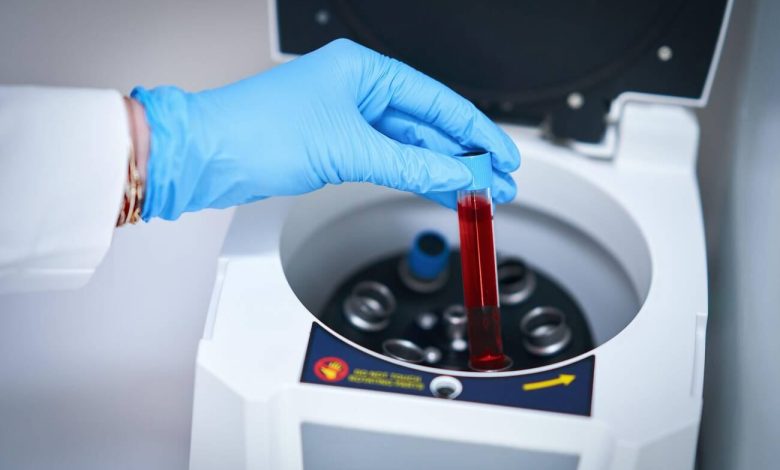
Alzheimer’s disease begins silently, with harmful proteins building up in the brain for years before memory problems appear. By the time symptoms are obvious, much of the damage is already done, which is one reason treatments have struggled. A simple blood test that could detect the disease early would change that picture. Researchers have found that fragments of the proteins linked to Alzheimer’s can be measured in blood, and that their levels rise long before a person notices any change. In studies, the tests have identified people who went on to develop the disease, sometimes many years ahead of a diagnosis. The tests are cheaper and less invasive than brain scans or spinal fluid samples, which means they could be used widely, including in clinics without specialist equipment. Doctors say early detection matters most now that new treatments work best when started early. The discovery came from studies that followed thousands of volunteers for years, tracking their blood and their memory over time.
What the Evidence Shows
The tests are not yet ready for routine use, and researchers are careful about the limits. A positive result does not guarantee that a person will develop dementia, and a negative result does not rule it out, so the tests must be interpreted alongside other evidence. There are also difficult questions about telling healthy people they carry a risk for a disease with no cure, and about who should be tested and when. Health services are running larger studies to confirm the results in different populations and to set clear thresholds for what counts as positive. Scientists are also improving the tests, making them more accurate and able to distinguish Alzheimer’s from other causes of memory loss. If the results hold, doctors say a blood test could become a routine part of checking brain health in older age. Reporting and analysis from sources such as Nature track the same developments, and specialists following the early Alzheimer’s blood test say the direction is now consistent across independent lines of evidence.
The Wider Context
The wider context is a research landscape in which replication and open data now decide reputations. Findings connected to the early Alzheimer’s blood test are being checked by independent groups with shared datasets, and the teams involved publish their methods in full so rivals can test every step. That discipline is slower than a headline cycle, but it is why results in this area increasingly survive first contact with scrutiny.
What Happens Next
What happens next in the story of the early Alzheimer’s blood test will be decided by follow-up work already under way: larger samples, longer observation and instruments that have not yet come online. The researchers involved are unusually united on one point, that the current results justify the next investment of time and money. Readers will not have to wait long for the first tests of that claim. You can follow related developments in our coverage of science.
None of this will be settled by a single announcement, study or product launch. The pattern to watch is accumulation: independent confirmations, honest reporting of failures and steady improvement in the underlying numbers. Readers who follow those signals, rather than the loudest claim of the week, will understand this subject better than most of the commentary surrounding it suggests is possible.