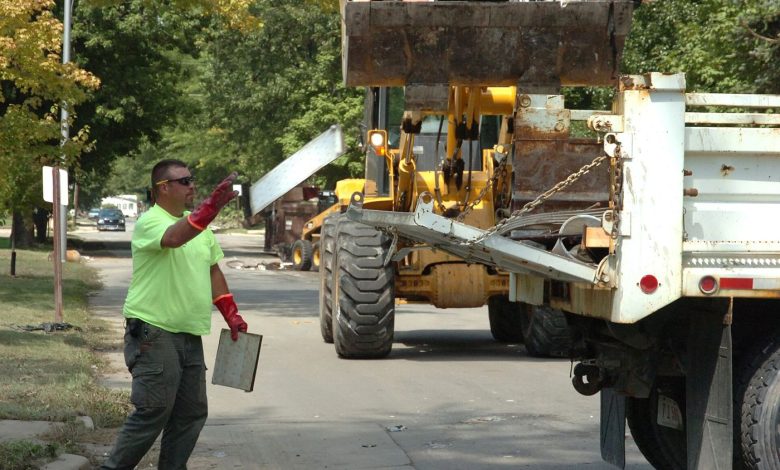
Cleanup crews worked through the day to clear mud, branches, and damaged household items from streets affected by recent flooding, as more residents were allowed to return and assess their homes. Council teams prioritised roads near schools, clinics, and bus routes, while utility workers checked drains and restored power to isolated pockets where it was safe to do so. Local charities set up collection points for cleaning supplies, bottled water, and replacement bedding. Officials urged people to photograph damage for insurance records, avoid standing water where possible, and report blocked drains promptly so follow up teams could respond before the next period of unsettled weather arrived.
What the Evidence Shows
By late afternoon, several main roads had reopened, although smaller residential streets remained closed while pumps and inspection teams finished their work. Community centres offered charging points, hot drinks, and advice sessions on mould prevention and safe food storage after a power cut. Business owners in the affected area said foot traffic was slowly returning, but many faced a costly clean up and lost stock. The council said waste collections would run extra rounds over the coming week and that a recovery fund application process would be explained in plain language at libraries and online, with support for residents who need help completing the forms. Reporting and analysis from sources such as Associated Press track the same developments, and specialists following flooded street cleanup operation say the direction is now consistent across independent lines of evidence.
The Wider Context
Regional and local reporting on flooded street cleanup operation often tells a different story from national coverage, because the effects land unevenly: one town’s pilot is another’s distant proposal. Analysts who follow the subject full-time read the local data first, arguing that national averages conceal the variation that decides whether a policy or a project deserves to spread.
What Happens Next
The longer story of flooded street cleanup operation is still being written by the people closest to it, whose experience rarely matches the earliest predictions of either supporters or critics. Reporting will continue to follow the evidence as it accumulates, including where it complicates today’s account. That is the deal serious coverage makes with its readers, and it holds for this subject as for any other. You can follow related developments in our coverage of news.
It is also worth remembering how quickly the picture in this area has changed before. Positions that looked settled a few years ago have been revised as new data arrived, and the same humility is appropriate now. The strongest coverage of this subject, and the most useful advice, tends to come from sources that update their views openly when the facts move, rather than defending an earlier position long after it has stopped fitting the evidence available.