
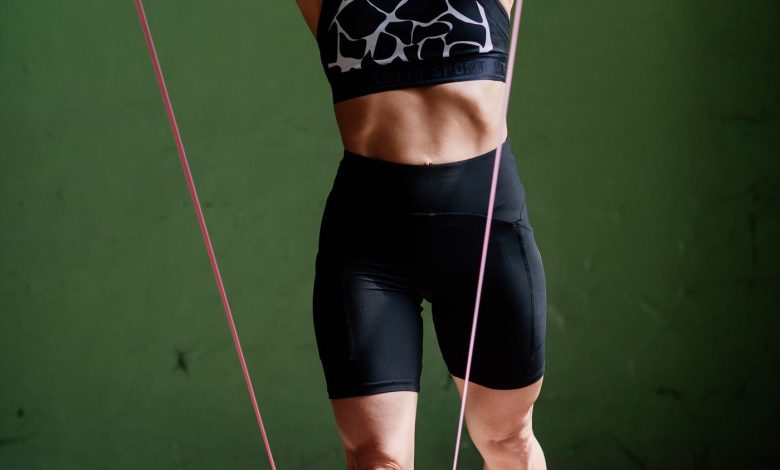
Maintaining muscle strength becomes increasingly important with age, supporting balance, mobility, and independence in everyday life. Resistance bands offer a gentle and accessible way for older adults to build that strength at home. The elastic bands provide tension through a movement, challenging muscles without the heavy loads or complex equipment found in a gym. Health researchers have found that regular, moderate resistance training can help preserve muscle mass, support joint health, and make daily tasks such as climbing stairs or carrying shopping feel easier. Bands are inexpensive, portable, and available in different strengths, which makes starting manageable for people with very different fitness levels.
What the Evidence Shows
Safe practice begins with guidance and gradual progress. Health professionals often recommend learning correct technique first, choosing a band that allows controlled movement, and warming up with gentle motion before exercising. Movements can be adapted for chairs and walls, which helps people who feel unsteady or are returning after illness. Two or three short sessions a week are enough for many beginners to notice improvements over time. Anyone with a medical condition should seek advice before starting a new programme. With patience and consistency, resistance band training gives older adults a practical, low-cost route to staying stronger, steadier, and more confident in daily life. Reporting and analysis from sources such as Nature track the same developments, and specialists following resistance bands and healthy ageing say the direction is now consistent across independent lines of evidence.
The Wider Context
The wider context is a research landscape in which replication and open data now decide reputations. Findings connected to resistance bands and healthy ageing are being checked by independent groups with shared datasets, and the teams involved publish their methods in full so rivals can test every step. That discipline is slower than a headline cycle, but it is why results in this area increasingly survive first contact with scrutiny.
What Happens Next
What happens next in the story of resistance bands and healthy ageing will be decided by follow-up work already under way: larger samples, longer observation and instruments that have not yet come online. The researchers involved are unusually united on one point, that the current results justify the next investment of time and money. Readers will not have to wait long for the first tests of that claim. You can follow related developments in our coverage of science.
None of this will be settled by a single announcement, study or product launch. The pattern to watch is accumulation: independent confirmations, honest reporting of failures and steady improvement in the underlying numbers. Readers who follow those signals, rather than the loudest claim of the week, will understand this subject better than most of the commentary surrounding it suggests is possible.
There is a practical lesson in all of this for readers deciding what to do today. Start with the verified facts, be wary of anyone promising certainty, and prefer reversible steps while the evidence is still developing. Circumstances differ by country, income and personal situation, so general guidance should always be weighed against your own context before you act on it in any significant or lasting way.