
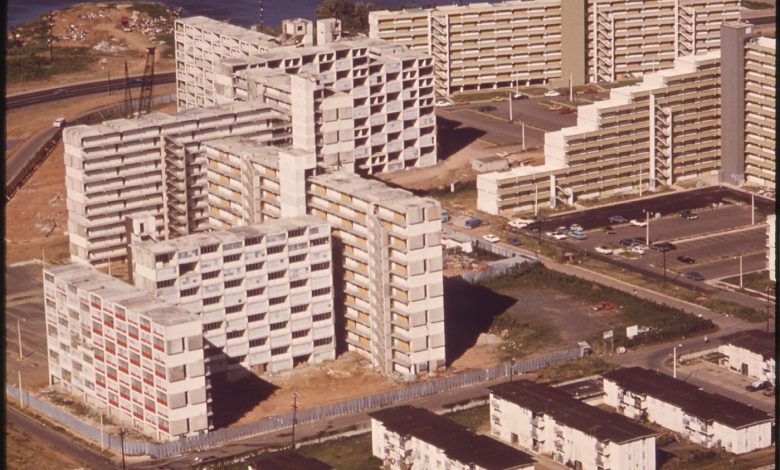
Waiting lists for affordable homes are growing longer in cities across the country, with families now waiting years for a property that matches their needs. Housing officers say the lists have swelled as rents in the private sector have risen faster than wages, pushing more households to seek help from councils and housing associations. The people waiting include key workers, single parents and older residents hoping to move closer to family, many of whom have been on a list for so long that their circumstances have changed several times. Councils say they are doing what they can, allocating homes as they become free and building new ones where land and funding allow. Yet the number of homes becoming available each year is far smaller than the number of people joining the queue, and the gap between demand and supply keeps widening. Charities working with homeless families say the wait is often the hardest part, leaving people in limbo for years.
What the Evidence Shows
Housing experts say the answer lies in building more homes of the right kind, in the right places, at prices that ordinary earners can afford. They argue that planning rules should favour affordable housing, that public land should be used for homes rather than sold to the highest bidder, and that funding for social housing should be steady rather than changing with each budget. Some councils are experimenting with faster approvals for affordable schemes and with converting empty buildings into flats. Critics of the current system say that too much new building is aimed at buyers rather than renters, and that waiting lists will keep growing until that balance changes. For the families waiting, the figures are not abstract: each month on the list is another month in overcrowded or expensive temporary homes. Reporting and analysis from sources such as Associated Press track the same developments, and specialists following the growing housing waiting lists say the direction is now consistent across independent lines of evidence.
The Wider Context
Regional and local reporting on the growing housing waiting lists often tells a different story from national coverage, because the effects land unevenly: one town’s pilot is another’s distant proposal. Analysts who follow the subject full-time read the local data first, arguing that national averages conceal the variation that decides whether a policy or a project deserves to spread.
What Happens Next
The longer story of the growing housing waiting lists is still being written by the people closest to it, whose experience rarely matches the earliest predictions of either supporters or critics. Reporting will continue to follow the evidence as it accumulates, including where it complicates today’s account. That is the deal serious coverage makes with its readers, and it holds for this subject as for any other. You can follow related developments in our coverage of news.
It is also worth remembering how quickly the picture in this area has changed before. Positions that looked settled a few years ago have been revised as new data arrived, and the same humility is appropriate now. The strongest coverage of this subject, and the most useful advice, tends to come from sources that update their views openly when the facts move, rather than defending an earlier position long after it has stopped fitting the evidence available.