
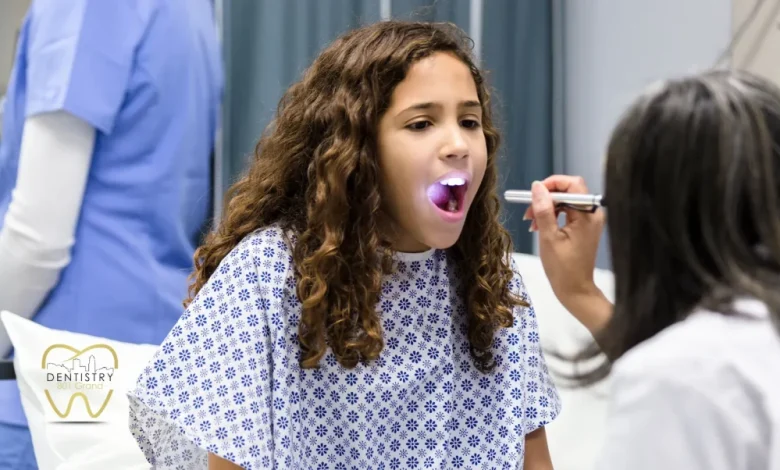
A sudden, severe toothache in the middle of the night can override every rational thought you have. Your instinct may be to rush to the ER, but is this the best way to get real relief? The core issue: an ER visit often does not solve the root dental problem.
Patients with intense oral pain often question whether a hospital will actually address their needs, especially after hours. The key point is that help during a crisis should deliver real solutions—not just temporary fixes that leave the problem unresolved. In 2026, digital health tools will be redirecting dental emergencies away from packed ERs toward targeted, lasting care.
The Scope of Hospital-Based Dental Visits
Palliative Care Over Definitive Treatment
The scale of inappropriate hospital use for oral pain is massive across North America. According to recent data, roughly 2 million people visit EDs annually for non-traumatic dental conditions. And here’s the catch: hospitals rarely employ dentists on staff. So the treatment you get is almost always palliative, not definitive.
When you show up with a severe toothache, medical personnel can manage your symptoms but can’t fix the underlying structural problem. A national review found that antibiotics were prescribed in 63% of dental-related ED visits, and patients were routinely left without any actual dental procedure being performed. This trend hits hardest among publicly insured children and people with no access to routine preventive care, pushing them into emergency settings when preventable conditions spiral out of control.
The Hidden Financial and Systemic Costs
Rural Gaps and Rising Expenses
A persistent lack of specialized access keeps driving people to emergency rooms for problems that don’t belong there. Adults in rural communities, particularly those without dental coverage or facing Medicaid gaps, are more likely to visit EDs for preventable dental pain. Financial barriers make things worse. Nearly 25.9% of Canadian adults reported skipping dental visits due to cost, which can turn minor issues into full-blown crises.
The financial toll on the healthcare system is climbing, too. ED dental costs have risen 30% in recent years. By comparison, dedicated emergency dental care is far more cost-effective and actually resolves the problem. A simple emergency extraction in Canada can run between $200 and $400, directly addressing the pain instead of masking it with medication. For a clearer picture of what you might pay, resources that break down emergency dental service costs can help you plan ahead and avoid sticker shock.
| Venue | Average Wait Time | Definitive Treatment? | Cost Efficiency | Best Use Case |
| Hospital ER | Hours (low triage priority) | No (pain meds/antibiotics only) | Very low (high systemic cost) | Severe facial trauma or breathing issues |
| Emergency dental clinic | Moderate (walk-in or scheduled) | Yes (extractions, root canals) | High (directly addresses the issue) | Knocked-out teeth, severe abscesses |
| Virtual dental triage | Minutes (on-demand) | No (diagnostic and prescriptive) | Very high (low upfront cost) | Initial assessment, finding the right provider |
Digital Solutions and Dedicated Care
Teledentistry and Digital Triage
The health-tech space is tackling this problem head-on with targeted digital tools. Centralized coordination platforms are connecting patients with after-hours providers in ways that weren’t possible a few years ago. Multiple states and provinces are updating their legislative frameworks to keep pace, enacting policies that expand teledentistry and virtual care across underserved rural areas.
So what does this actually look like in practice? Here are some of the key capabilities these platforms bring to the table:
- Immediate triage: Rapid symptom assessment to figure out whether you need an ER or a specialized dentist.
- E-prescribing: Fast, remote access to antibiotics or pain management while you wait for an in-person appointment.
- Cost navigation: Real-time visibility into after-hours clinic availability and treatment pricing.
- Follow-up tracking: Mobile health apps that monitor recovery and remind you about necessary follow-up visits.
Redefining Urgent Oral Healthcare
A hospital emergency department won’t turn you away. But it’s fundamentally not built to fix a severe toothache. Digital tools and virtual consultations are now redirecting patients from packed waiting rooms to specialized dental chairs where their pain can actually be treated.
Palliative patches aren’t a substitute for real oral care. Sound familiar? In 2026, handling a dental emergency isn’t about sitting in agony for hours under fluorescent lights. It’s about using technology to find the right care, at the right time, with full financial clarity.