
Common Problems in Steam Turbine Fuel Nozzles and How Professional Repair Services Solve Them

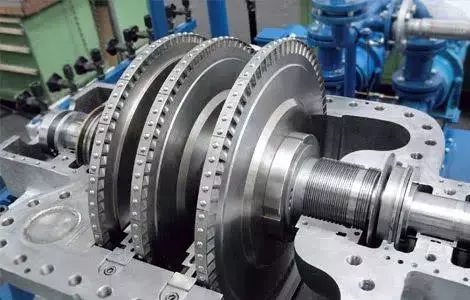
Steam turbines are the backbone of power generation and industrial processes, converting high-pressure steam into mechanical energy that drives generators or machinery. A critical component in this system is the fuel nozzle, responsible for delivering and atomizing fuel to ensure efficient combustion. Over time, fuel nozzles face extreme conditions, including high temperatures, chemical exposure, and mechanical stress. Neglecting maintenance can lead to reduced performance, higher fuel consumption, and unplanned downtime.
Understanding the common problems in steam turbine fuel nozzles and the role of professional repair services is essential for maintaining turbine efficiency and prolonging equipment life. This article explores typical nozzle issues such as erosion, clogging, misalignment, and thermal fatigue, and highlights how expert repairs restore optimal functionality.
The Role of Fuel Nozzles in Steam Turbines
Fuel nozzles are integral to turbine combustion systems. They are designed to deliver fuel in a precise spray pattern, ensuring complete and efficient combustion. Proper nozzle function directly affects:
- Combustion efficiency – well-atomized fuel maximizes energy extraction
- Emissions control – uniform fuel-air mixing reduces NOx, CO, and unburned hydrocarbons
- Turbine performance – proper flow and spray angles protect rotor blades and reduce wear
When fuel nozzles malfunction, turbines experience uneven combustion, increased emissions, and potential damage to downstream components. Timely steam turbine fuel nozzle repair is therefore crucial to maintain operational efficiency.
Common Problems in Steam Turbine Fuel Nozzles
Several issues commonly affect fuel nozzles due to continuous exposure to high temperatures, pressure fluctuations, and contaminants in the fuel. Understanding these problems helps operators identify early signs and plan maintenance.
1. Erosion
High-velocity fuel and combustion gases can erode nozzle surfaces, especially at the tips and internal passages. Erosion can:
- Alter spray patterns
- Reduce atomization efficiency
- Increase flame instability
Without repair, continued erosion compromises combustion performance and increases stress on surrounding components.
2. Clogging and Deposits
Carbon deposits, soot, and scale accumulation inside fuel nozzles can block fuel flow. Consequences include:
- Uneven fuel distribution
- Reduced combustion efficiency
- Increased fuel consumption
- Potential hot spots in the combustion chamber
Clogged nozzles can also cause overloading of other turbine components due to uneven thermal distribution.
3. Misalignment and Mechanical Wear
Thermal cycling, vibration, and mechanical stresses can shift nozzles from their optimal positions. Misalignment can:
- Disrupt fuel spray angles
- Cause uneven flame propagation
- Increase localized thermal stress
- Lead to accelerated wear on rotor blades and combustion liners
4. Thermal Fatigue and Cracking
Repeated exposure to high temperatures can lead to thermal fatigue, resulting in micro-cracks or material weakening. These cracks:
- Compromise structural integrity
- Alter fuel flow patterns
- Increase the risk of nozzle failure during operation
If left untreated, thermal fatigue can result in catastrophic failures and expensive turbine downtime.
How Professional Repair Services Address Nozzle Problems
Specialized repair services are designed to restore fuel nozzles to near-original condition, ensuring reliable performance and extending service life. Key repair techniques include:
1. Inspection and Non-Destructive Testing (NDT)
Before repairs, professional technicians perform detailed inspections to identify damage. Common NDT methods include:
- Ultrasonic Testing (UT) – detects internal cracks
- Dye Penetrant Inspection (DPI) – highlights surface cracks
- Magnetic Particle Inspection (MPI) – finds surface and near-surface defects
This ensures all issues, including hidden damage, are addressed during the repair process.
2. Cleaning and Deposits Removal
Specialized cleaning techniques remove carbon buildup, soot, and mineral deposits. Methods include:
- Chemical cleaning solutions
- Thermal treatments
- Precision mechanical cleaning
Clean nozzles restore proper fuel atomization and prevent flow restrictions.
3. Machining and Reprofiling
Eroded or worn nozzle surfaces are machined to restore original dimensions and tolerances. Reprofiling ensures:
- Optimal fuel spray angles
- Uniform atomization
- Enhanced combustion efficiency
4. Welding and Structural Repairs
Cracks or structural defects are repaired using advanced welding techniques, including TIG and laser welding. Heat treatment ensures material strength is restored, preventing future fatigue and failure.
5. Surface Coatings and Protection
Erosion-resistant, corrosion-resistant, or thermal barrier coatings are applied to nozzle surfaces. These coatings:
- Extend operational life
- Reduce wear from high-velocity fuel and gases
- Improve resistance to chemical attack
Operational Benefits of Timely Fuel Nozzle Repair
Professional turbine fuel nozzle repair provides several operational advantages:
1. Improved Combustion Efficiency
Restored nozzles ensure proper fuel atomization and distribution, leading to complete combustion and higher turbine efficiency.
2. Reduced Downtime
Regular inspections and timely repairs prevent unexpected failures and emergency shutdowns, keeping turbines operational and productive.
3. Lower Fuel Consumption
Efficient combustion reduces excess fuel use, lowering operational costs and increasing profitability.
4. Extended Component Life
Repairing nozzles reduces stress on other turbine components, such as rotor blades and combustion liners, extending their service life.
5. Regulatory Compliance
Properly functioning nozzles maintain emission levels within regulatory limits, avoiding environmental penalties and supporting sustainable operations.
Economic Advantages of Professional Nozzle Repairs
Investing in specialized repair services offers significant financial benefits:
- Reduced replacement costs – refurbishing a nozzle is cheaper than purchasing a new one
- Minimized downtime – repairs are faster than sourcing and installing new components
- Extended lifecycle – nozzles can undergo multiple repair cycles, reducing total cost of ownership
- Optimized maintenance planning – detailed repair records help plan future inspections and maintenance schedules
By proactively repairing nozzles, operators can achieve significant savings while maintaining optimal turbine performance.
Choosing the Right Repair Partner
Selecting a reliable service provider is critical for effective fuel nozzle maintenance. Key considerations include:
- Expertise in steam turbine fuel nozzle repair
- Advanced inspection and repair capabilities
- Compliance with OEM specifications and industry standards
- Fast turnaround to minimize downtime
- Comprehensive documentation and quality assurance
Allied Power Group offers professional repair services for steam turbine fuel nozzles, combining advanced inspection techniques, precision repairs, and protective coatings to restore nozzles to optimal condition.
Conclusion
Fuel nozzles are a small yet vital component of steam turbines, directly affecting combustion efficiency, emissions, and turbine reliability. Common problems such as erosion, clogging, misalignment, and thermal fatigue can reduce performance and cause costly downtime if left unaddressed.
Timely steam turbine fuel nozzle repair by specialized professionals ensures nozzles maintain proper fuel atomization, spray patterns, and structural integrity. These repairs extend component life, optimize turbine efficiency, reduce fuel consumption, and prevent unplanned outages.
Partnering with an experienced provider like Allied Power Group allows operators to implement effective maintenance strategies, maximize turbine performance, and achieve long-term cost savings. For more information or to arrange repair services, visit Contact Us today.