
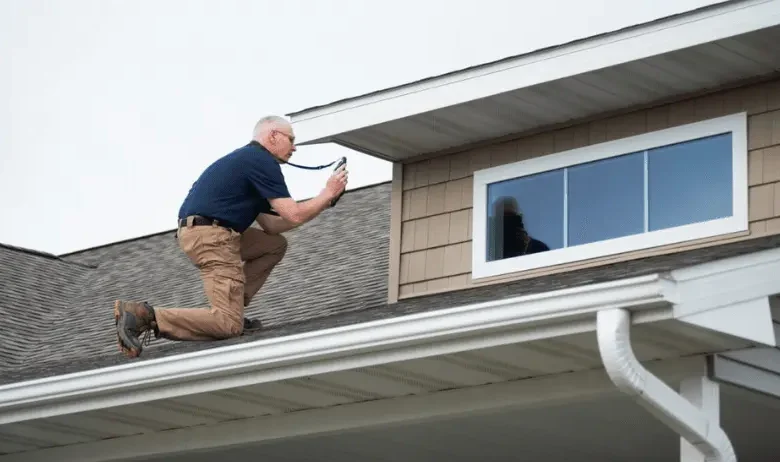
A roof does more than complete the look of a home. It protects against weather, supports energy efficiency, and helps preserve the structure underneath it. Yet many homeowners rarely think about roof maintenance until there is a visible leak or serious storm damage.
The good news is that extending the life of a residential roof does not always require major repairs or expensive upgrades. Consistent inspections, preventive maintenance, and timely attention to small issues can significantly improve long-term performance while reducing the likelihood of costly emergencies.
Why Roof Maintenance Matters More Than Most Homeowners Realize
Roof systems are exposed to constant wear from sun, rain, wind, temperature swings, and debris accumulation. Even high-quality materials eventually degrade if they are neglected over time.
Minor problems often develop quietly. A few lifted shingles, clogged gutters, or trapped moisture may not seem urgent at first, but they can lead to structural damage if left unresolved. Water intrusion can affect insulation, ceilings, attic ventilation, and even interior walls.
Routine maintenance helps homeowners:
- Prevent leaks before they spread
- Improve energy efficiency
- Protect property value
- Extend roofing material lifespan
- Reduce emergency repair costs
- Maintain curb appeal
Taking a proactive approach usually costs far less than waiting for major repairs or full replacement.
Common Warning Signs That Should Never Be Ignored
Many roofing issues start small and become more expensive with time. Knowing what to look for can help homeowners address concerns before they worsen.
Missing or Damaged Shingles
Strong winds and severe weather can loosen or remove shingles entirely. Cracked, curled, or brittle shingles may also indicate aging materials that need attention.
Even a small exposed area can allow moisture underneath the roofing system.
Water Stains Indoors
Brown ceiling spots or discoloration near walls may suggest roof leaks. These signs should never be dismissed, even if they appear minor.
Moisture often travels before becoming visible inside the home, meaning the source could already be larger than expected.
Granule Loss
If asphalt shingle granules begin collecting in gutters, the roof may be nearing the end of its protective lifespan. Granules help shield shingles from UV exposure and weather damage.
Sagging Areas
A sagging roofline can indicate structural problems, trapped moisture, or weakened decking materials. This issue should be evaluated promptly to prevent safety risks.
The Role of Seasonal Roof Inspections
Seasonal inspections are one of the simplest ways to improve roof longevity. Spring and fall are especially useful times to assess potential damage from changing weather conditions.
Homeowners should pay attention to:
- Flashing around chimneys and vents
- Gutter drainage performance
- Tree branches near the roofline
- Moss or algae growth
- Loose materials after storms
- Signs of moisture in the attic
While homeowners can perform basic visual checks from the ground, professional inspections often uncover hidden problems that are difficult to detect early.
For homeowners researching maintenance strategies and repair considerations, working with trusted residential roofers in South Metro Atlanta can provide valuable insight into identifying issues before they escalate into major structural concerns.
Ventilation Plays a Bigger Role Than Many Expect
Roof longevity is not only about exterior materials. Proper attic ventilation has a major impact on roofing performance and indoor comfort.
Poor ventilation can trap heat and moisture inside the attic, accelerating shingle deterioration and increasing energy costs. During warmer months, excessive attic temperatures may prematurely age roofing materials. In colder seasons, trapped moisture can contribute to mold growth and wood rot.
Balanced ventilation systems help:
- Reduce heat buildup
- Prevent moisture accumulation
- Improve insulation performance
- Support consistent indoor temperatures
- Extend roofing system lifespan
Ventilation problems are often overlooked because they are not immediately visible from the outside.
How Gutters Protect the Roofing System
Gutters are directly connected to roof health. When gutters clog with leaves and debris, water may back up beneath roofing materials or spill near the foundation.
Overflowing gutters can also contribute to fascia damage and moisture intrusion around roof edges.
To keep gutters functioning properly:
- Remove debris regularly
- Check downspouts for blockages
- Inspect for sagging sections
- Confirm water drains away from the home
- Trim nearby trees when necessary
Simple gutter maintenance can prevent a surprising number of roofing issues.
Weather Exposure and Regional Challenges
Different climates create different roofing challenges. Areas with heavy storms, high humidity, or frequent temperature fluctuations often experience faster roofing wear.
Wind damage may loosen materials gradually over time, even without obvious storm destruction. Hail can weaken protective surfaces, while prolonged heat exposure may dry out roofing components.
Homeowners should understand how local weather patterns affect roofing materials and maintenance schedules. Regular inspections become especially important after severe storms or seasonal weather extremes.
When Repairs Make More Sense Than Replacement
Not every roofing issue requires full replacement. In many cases, targeted repairs can restore functionality and prolong the existing roof’s lifespan.
Repairs are often appropriate when:
- Damage is isolated to a small area
- The roof is relatively new
- Structural components remain intact
- Leaks are identified early
- Materials still have usable lifespan remaining
However, widespread deterioration or recurring issues may eventually make replacement the more practical long-term solution.
A thorough assessment helps determine which option is most cost-effective.
Choosing Roofing Materials With Longevity in Mind
Roof lifespan varies significantly depending on materials, installation quality, and environmental exposure.
Some common residential roofing materials include:
Asphalt Shingles
Popular due to affordability and versatility. Properly maintained asphalt shingles can perform well for many years.
Metal Roofing
Known for durability and resistance to weather extremes. Metal systems often require less maintenance over time.
Architectural Shingles
These thicker shingles provide enhanced durability and visual appeal compared to traditional three-tab shingles.
Synthetic Roofing Materials
Some modern synthetic materials are designed to mimic slate or wood while offering improved resistance to moisture and impact.
Selecting the right material depends on budget, climate, design preferences, and long-term maintenance expectations.
Final Thoughts
A roof is one of the most important protective systems in any home, yet it is often overlooked until visible problems emerge. Consistent maintenance, seasonal inspections, proper ventilation, and timely repairs all contribute to extending roof lifespan and preventing avoidable damage.
Homeowners who stay proactive are typically better positioned to avoid expensive emergencies while protecting the long-term value and comfort of their property. Small preventive steps today can make a substantial difference in how well a roof performs for years to come.