
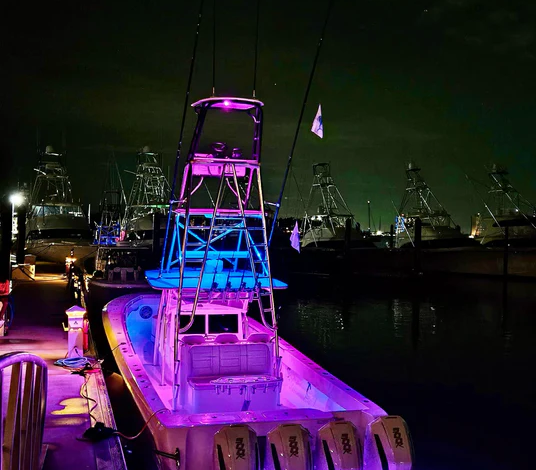
Lighting is one of the most crucial aspects of safe and efficient boating, especially during nighttime navigation or low-visibility conditions. Over the past decade, LED marine lighting has transformed how boaters illuminate their vessels, offering a combination of superior brightness, energy efficiency, and longevity that traditional bulbs simply can’t match.Whether you’re out fishing at dawn, docking at night, or enjoying a peaceful cruise, reliable lighting ensures both safety and comfort. This article explores how LED marine lighting enhances visibility, reduces power consumption, and contributes to a more sustainable boating experience.
The Evolution of Marine Lighting
For many years, halogen and incandescent bulbs were the standard choices for marine lighting. While they provided adequate illumination, they were not without drawbacks high power consumption, frequent replacements, and significant heat output.The introduction of LED marine lighting brought a major shift. LEDs (Light Emitting Diodes) use semiconductor technology to produce light more efficiently. They require less power, generate minimal heat, and last significantly longer, making them an ideal fit for marine environments where durability and efficiency are paramount.
Why Visibility Matters on the Water
Proper visibility is not just a convenience, it’s a critical safety factor for every vessel. At night or in foggy conditions, boaters rely heavily on lighting for navigation, communication, and awareness of their surroundings. Poor illumination can lead to collisions, navigation errors, or difficulty spotting obstacles in time.With LED marine lighting, visibility is dramatically improved. LEDs emit bright, focused beams that penetrate further through the darkness and across water surfaces. Their crisp light output enhances color accuracy, making it easier to identify buoys, shorelines, and other vessels. For anyone navigating in challenging conditions, this added clarity can make a world of difference.
Key Benefits of LED Marine Lighting
1. Superior Energy Efficiency
One of the biggest advantages of LED marine lighting is its energy efficiency. Compared to halogen or incandescent lights, LEDs consume up to 80% less power while producing the same if not better illumination.
For boat owners, this translates to longer battery life, reduced generator use, and lower fuel consumption. Efficient energy use is especially valuable for long voyages, where conserving power is essential for operating other onboard systems like navigation, communication, and refrigeration.
2. Enhanced Safety and Visibility
LED lights deliver consistent, high-quality illumination that enhances visibility on decks, cabins, and navigation paths. Their instant-on feature provides immediate brightness, ensuring that there’s no delay when light is needed most.
Additionally, LED navigation and anchor lights meet international maritime standards, helping boaters signal their position and direction clearly to other vessels. With increased brightness and reliability, these lights contribute significantly to safer nighttime operations.
3. Durability and Weather Resistance
Marine environments are harsh saltwater, vibration, and temperature fluctuations can quickly wear out standard lights. LEDs, however, are designed to withstand these challenges.
Most LED marine lighting systems are encased in waterproof, corrosion-resistant housings that protect against moisture and UV damage. They are also shock-resistant, meaning they continue to perform well even when exposed to constant motion or rough waters. This makes them a reliable long-term investment for any boat owner.
4. Reduced Maintenance Costs
Traditional marine bulbs burn out frequently and require regular replacement, which can be inconvenient and costly especially on larger boats. In contrast, LED lights can last up to 50,000 hours or more, reducing maintenance time and expenses significantly.
Their long lifespan also means fewer replacements, less waste, and more consistent lighting performance throughout your boat’s lifetime.
5. Eco-Friendly and Sustainable
As the marine industry moves toward greener practices, LED marine lighting stands out as a sustainable choice. Lower energy consumption reduces overall carbon emissions, and LEDs contain no harmful materials like mercury.
Their longevity means fewer bulbs end up in landfills, and many manufacturers now design fixtures with recyclable materials. For environmentally conscious boaters, switching to LED lighting aligns perfectly with a sustainable lifestyle at sea. For inquiries and additional guidance on eco-friendly marine lighting, visit the DRSA contact page.
Common Applications of LED Marine Lighting
LED technology is versatile, offering solutions for nearly every area of a vessel. Some popular applications include:
- Navigation Lights: Ensure visibility to other vessels and compliance with safety regulations.
- Deck and Cabin Lighting: Provide bright, even illumination for onboard activities.
- Underwater Lights: Create striking visual effects while attracting marine life during night fishing.
- Docking Lights: Assist with safe mooring and movement around piers.
- Accent Lighting: Add aesthetic appeal to interiors and exteriors with customizable colors.
By using the right combination of these lights, boaters can enhance both functionality and ambiance.
Installation and Maintenance Tips
Proper installation ensures that your lighting performs efficiently and lasts longer. When setting up LED marine lighting, consider the following tips:
- Choose marine-rated fixtures that meet waterproof and corrosion resistance standards.
- Plan your lighting layout to avoid glare and ensure even coverage.
- Use marine-grade wiring and connectors for safe, long-term operation.
- Regularly inspect fixtures for signs of wear or water intrusion.
- Clean lenses periodically to maintain brightness and visibility.
Following these best practices helps maintain optimal performance and extends the lifespan of your lighting system.
The Future of Marine Lighting Technology
Innovation continues to shape the marine lighting industry. Modern LED systems now feature advanced controls such as dimming options, color customization, and smart integration with onboard systems.Future designs may include solar-powered LEDs and enhanced motion sensors, further improving energy efficiency and convenience. For boaters, this means even safer, smarter, and more sustainable lighting solutions are on the horizon.
Conclusion
In today’s marine world, visibility, efficiency, and sustainability go hand in hand. LED marine lighting provides boaters with powerful illumination that enhances safety, reduces energy consumption, and minimizes maintenance. Whether upgrading an older vessel or outfitting a new one, switching to LEDs offers long-term benefits in performance, cost savings, and environmental impact. As technology continues to evolve, these lights are becoming the gold standard for reliable, energy-efficient marine illumination—helping every boater navigate with confidence, clarity, and care. For more updates and insights, follow DRSA Lighting on Facebook.