
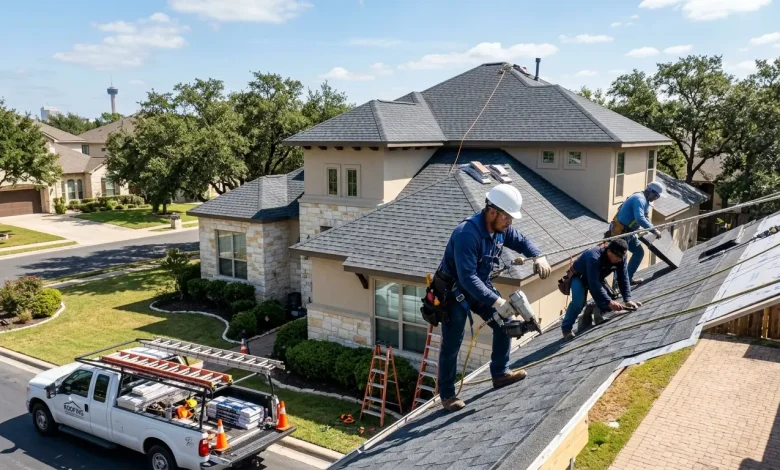
Homeownership comes with a long list of responsibilities, and roof maintenance is often one of the most overlooked. Many homeowners only think about their roof when a leak appears or after a major storm passes through the neighborhood. By then, what started as a small issue may already require expensive repairs.
In Texas, where weather conditions can shift rapidly between intense heat, heavy rain, hailstorms, and high winds, preventative roof care is especially important. Staying proactive about inspections and maintenance can help homeowners extend the lifespan of their roofing system while reducing the risk of sudden damage.
Understanding how preventative roofing strategies work can make a significant difference in protecting both the structure of the home and the homeowner’s long-term investment.
Why Texas Weather Places Stress on Roofing Systems
Texas roofs face unique environmental challenges throughout the year. During summer months, roofing materials are exposed to prolonged UV radiation and extreme temperatures. Over time, constant heat can weaken shingles, dry out sealants, and accelerate material deterioration.
Storm season presents another set of concerns. High winds may loosen shingles or flashing, while hail can cause punctures and hidden structural damage. Even moderate storms can create vulnerabilities that worsen over time if left unaddressed.
Humidity and moisture also contribute to roofing issues in certain areas. Poor ventilation can trap heat and moisture inside attics, increasing the risk of mold growth and reducing energy efficiency.
Because roofing systems endure constant exposure to these elements, regular maintenance becomes essential rather than optional.
Common Roofing Problems That Start Small
One reason roof damage becomes expensive is that many issues begin subtly. Homeowners may not notice the warning signs until the problem spreads into ceilings, walls, or insulation.
Some of the most common roofing concerns include:
- Cracked or curling shingles
- Damaged flashing around vents and chimneys
- Clogged gutters causing water buildup
- Small leaks in attic spaces
- Improper ventilation
- Loose roofing materials after storms
- Granule loss on asphalt shingles
- Moisture trapped beneath roofing layers
A minor leak may seem harmless at first, but over time it can lead to structural wood damage, mold growth, insulation problems, and interior repairs.
Routine maintenance helps identify these concerns early, often before major repairs become necessary.
The Benefits of Regular Roof Inspections
Many roofing professionals recommend inspections at least once or twice per year, particularly after severe weather events. A professional assessment allows contractors to detect wear patterns and vulnerabilities that homeowners may miss.
Early Detection Saves Money
Catching small issues early usually costs far less than replacing damaged structural components later. A loose flashing section or a few damaged shingles can often be repaired quickly before water intrusion spreads.
Improved Energy Efficiency
A well-maintained roof supports better ventilation and insulation performance. Damaged roofing systems can increase indoor temperatures and force HVAC systems to work harder, raising utility bills.
Longer Roof Lifespan
Regular maintenance may significantly extend the life of roofing materials. Preventative care reduces unnecessary strain and helps preserve the integrity of the system.
Better Storm Preparedness
Homes with properly maintained roofs are generally more resilient during severe weather. Reinforcing weak points before storm season can reduce the likelihood of major damage.
Preventative Maintenance Tasks Homeowners Should Prioritize
While professional inspections are important, homeowners can also take several steps throughout the year to support roof health.
Keep Gutters Clean
Blocked gutters can prevent proper water drainage, causing moisture to pool around roofing edges. Over time, standing water may contribute to leaks and wood rot.
Remove Debris Promptly
Leaves, branches, and debris can trap moisture on roofing surfaces. Clearing debris after storms helps reduce unnecessary wear.
Check for Visible Damage
Homeowners should periodically inspect their roof from the ground for missing shingles, sagging areas, or visible storm damage.
Monitor the Attic
Attics often reveal roofing issues before they become visible elsewhere. Signs like water stains, mold, unusual odors, or excess heat may indicate ventilation or leak problems.
Trim Nearby Trees
Overhanging branches can scrape roofing materials during high winds and increase the risk of falling debris during storms.
These simple steps, combined with periodic professional evaluations, can help minimize long-term repair costs.
Choosing the Right Roofing Contractor Matters
Not all roofing contractors provide the same level of experience or service. Homeowners should take time to evaluate companies carefully before scheduling repairs or replacement projects.
Some key factors to consider include:
- Local experience with Texas weather conditions
- Clear communication and detailed estimates
- Proper licensing and insurance
- Knowledge of multiple roofing materials
- Transparent warranty information
- Positive reputation within the community
A knowledgeable contractor should also explain maintenance recommendations clearly rather than focusing only on large replacement projects.
For homeowners researching roofing services and maintenance solutions,Ideal Precision Roofing in San Antonio offers additional information about roofing systems commonly used in Texas homes.
Roofing Materials and Maintenance Expectations
Different roofing materials require different levels of maintenance. Understanding these differences helps homeowners plan more effectively.
Asphalt Shingles
Asphalt shingles remain one of the most common residential roofing materials because they are affordable and widely available. However, they still require regular inspections to monitor granule loss, cracking, and wind damage.
Metal Roofing
Metal roofs are known for durability and longevity, though periodic inspections are still necessary to monitor fasteners, seams, and potential corrosion.
Tile Roofing
Tile roofs often last for decades but may crack under impact or shifting structural conditions. Replacing damaged tiles promptly helps maintain system integrity.
Flat Roofing Systems
Flat or low-slope roofs require careful drainage management to prevent standing water and membrane deterioration.
Each roofing type benefits from maintenance strategies tailored to its materials and environmental exposure.
Why Preventative Care Is More Cost-Effective Than Emergency Repairs
Emergency roofing repairs often happen under stressful conditions. Severe leaks or storm damage may require immediate action, and emergency services can sometimes be more expensive than planned maintenance.
Preventative care provides several financial advantages:
- Reduced risk of large-scale water damage
- Fewer emergency repair expenses
- Longer material lifespan
- Improved energy savings
- Better protection for interior belongings
- Increased property value
Investing in routine maintenance may seem unnecessary when a roof appears stable, but preventative care usually costs far less than major restoration work.
Final Thoughts
A roof protects nearly every part of a home, yet it is easy to overlook until visible damage appears. In Texas, where roofs face intense weather conditions year-round, preventative maintenance can play a major role in reducing repair costs and preserving long-term property value.
Regular inspections, prompt repairs, proper ventilation, and routine upkeep all contribute to a healthier roofing system. Homeowners who stay proactive are often better prepared for storm season and less likely to face sudden structural problems.
Whether maintaining an older roof or protecting a newer installation, investing time in preventative care helps create greater peace of mind and long-term durability.