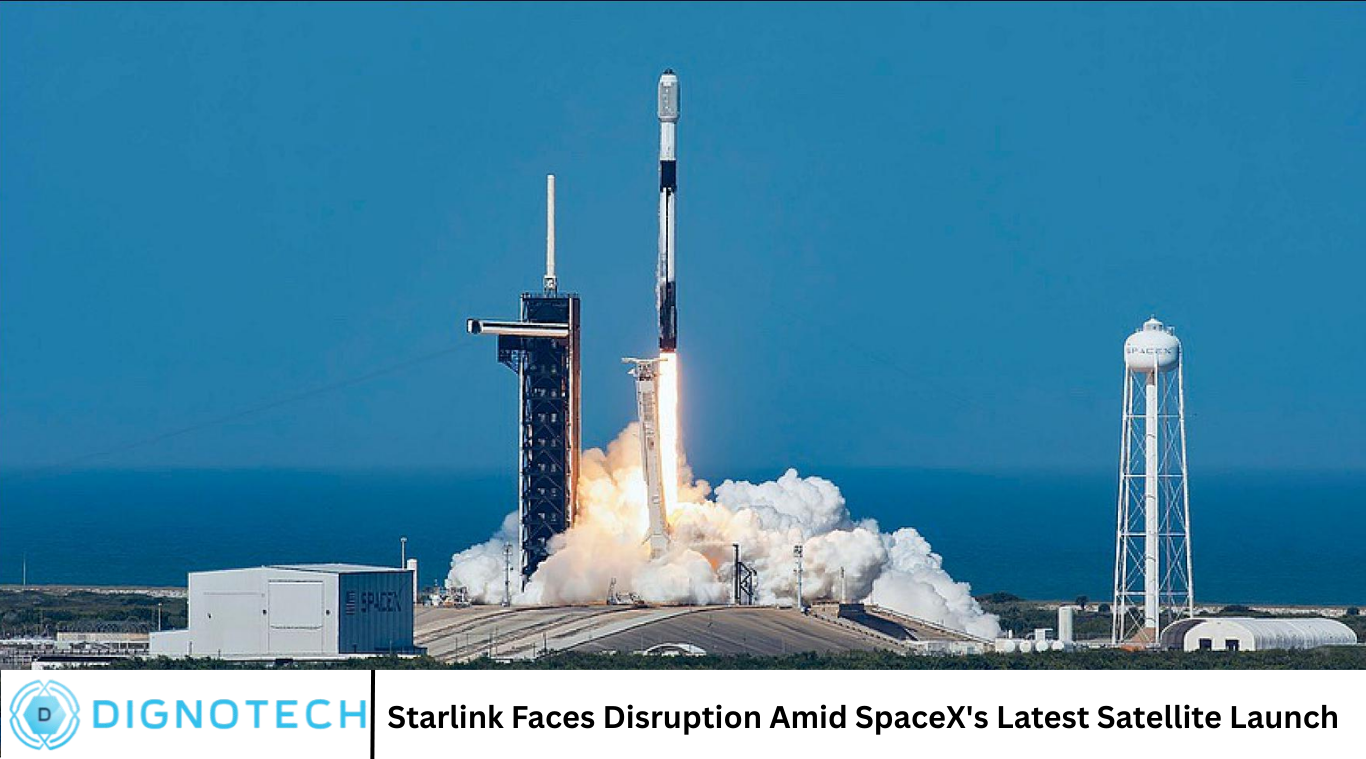
Elon Musk’s Starlink satellite internet service, which aims to provide high-speed broadband access to remote and underserved areas, has been one of the most ambitious and talked-about tech projects in recent years. The service operates through a constellation of low Earth orbit (LEO) satellites launched by SpaceX, Musk’s aerospace company.
However, despite its vast potential and rapid growth, Starlink has faced intermittent service disruptions, with the latest being tied to a SpaceX satellite launch. As SpaceX continues its efforts to expand the Starlink network, these outages raise questions about the reliability and scalability of the service. This article will explore the recent disruptions, the technical and logistical challenges behind Starlink’s rapid expansion, and what these challenges mean for the future of satellite-based internet.
The Starlink Network: A Brief Overview
Starlink provides broadband internet via a constellation of thousands of satellites in low Earth orbit (LEO), orbiting at altitudes ranging from 340 km to 1,200 km. Unlike traditional satellite internet systems that rely on geostationary satellites far above Earth’s surface (which can cause higher latency), Starlink’s LEO satellites orbit much closer, offering faster speeds and lower latency.
The project aims to provide global internet coverage, focusing particularly on rural and remote areas where traditional broadband infrastructure is lacking or non-existent. Starlink’s speed ranges between 50 Mbps to 200 Mbps, with latency around 20-40 ms, making it competitive with wired broadband services in certain regions.
As of now, Starlink has over 3,000 satellites in orbit, with SpaceX continuing to launch more regularly. The goal is to have a constellation of around 12,000 satellites to achieve truly global coverage. However, with this rapid expansion comes certain technical challenges.
Recent Disruptions: The Connection to SpaceX Launches
While Starlink has seen massive growth and improvements in service quality, users have reported intermittent disruptions in service, especially during or just after SpaceX launches. In one of the latest incidents, many Starlink users across various regions reported loss of connectivity or slower speeds following the launch of new satellites.
There are several reasons why these disruptions may occur:
Orbital Adjustments and Satellites’ Initial Deployment Phase:
After a new batch of Starlink satellites is launched, they do not immediately enter their designated orbits. Instead, the satellites must perform a series of orbital maneuvers, including raising their altitude and adjusting their orientation. During this phase, these satellites are not yet part of the operational network, which could lead to gaps in coverage and service interruptions for users relying on nearby satellites.
Increased Satellite Density:
SpaceX regularly launches large batches of Starlink satellites, sometimes as many as 60 in a single launch. While this is necessary to build out the network, the sheer density of satellites can cause temporary disruptions in service, particularly if some of them are temporarily out of sync or undergoing adjustments in their orbits. The constellation is still evolving, and during periods of transition, users might experience brief periods of reduced service.
SpaceX’s Starship Testing and Interference:
SpaceX is working on the development of the Starship rocket, which is intended to carry even larger payloads of satellites into orbit. However, the testing of Starship, including potential launch failures, may create temporary disruptions to nearby satellites, especially as Starship is designed to carry multiple batches of Starlink satellites in a single launch.
Interference and Collision Avoidance:
As the Starlink constellation grows, the risk of satellite collisions increases. SpaceX uses a combination of automated and manual maneuvers to avoid collisions between satellites, but these maneuvers can momentarily interfere with signal quality for certain users. Additionally, new satellites may need to adjust their positions to avoid older satellites or debris, causing short-term disruptions.
Challenges of Expanding the Starlink Network
While the service disruptions are inconvenient, they are part of the growing pains associated with rapidly scaling a satellite internet network. The challenges facing Starlink as it expands include:
Satellite Deployment and Maintenance:
Even though SpaceX has made remarkable progress in deploying Starlink satellites, it takes time for the new satellites to become fully operational. The sheer scale of the launch schedule and the complexity of satellite operations mean that disruptions are inevitable in the short term. Each satellite needs to be monitored and adjusted regularly to ensure it is functioning optimally and is aligned with the broader network.
Regulatory and Legal Hurdles:
Starlink faces a series of regulatory hurdles in various countries. Each satellite launch must comply with the specific laws and regulations of the countries it serves, which can delay operations in some regions. Additionally, some governments are concerned about the long-term sustainability of having thousands of satellites in orbit. These legal and regulatory challenges can affect the network’s expansion and overall service quality.
Space Debris and Collision Risks:
One of the primary concerns surrounding the rapid expansion of Starlink’s satellite constellation is space debris. The more satellites are launched into orbit, the higher the risk of collisions and the generation of debris that could endanger both operational satellites and manned space missions. SpaceX has taken steps to mitigate this risk by designing satellites that will deorbit themselves at the end of their lifespan. However, the increase in satellite density could still pose long-term challenges.
Technological Limitations:
Starlink’s satellites are designed to communicate with ground stations and user terminals through complex radio-frequency signals. However, environmental factors such as heavy weather, high levels of atmospheric interference, or physical obstructions like trees or buildings can impact service quality. Moreover, as more users sign up for the service, the available bandwidth can be stretched, potentially leading to slower speeds or decreased reliability during peak usage times.
What Does This Mean for Users?
For many users, Starlink represents a vital opportunity for high-speed internet access in rural or underserved areas. However, the disruptions—though temporary—serve as a reminder that the service is still in its early stages of development. While SpaceX is taking steps to minimize service interruptions, users should understand that Starlink’s network is constantly evolving, and occasional disruptions are expected as part of this process.
Despite these hiccups, many users continue to praise Starlink for its speed, ease of setup, and ability to connect areas that were previously off the grid in terms of internet access. SpaceX’s commitment to expanding and improving the service suggests that the disruptions, while inconvenient, are part of a larger strategy to achieve global internet coverage.
What’s Next for Starlink?
SpaceX is committed to expanding Starlink’s constellation to provide global coverage. The company is planning to launch thousands of additional satellites over the next few years, which will help address service issues, improve speeds, and provide better overall reliability. As the technology matures and more satellites come online, users can expect fewer disruptions and improved service quality.
Additionally, SpaceX’s Starship program, which is designed to carry a massive number of satellites at once, may help reduce launch costs and speed up Starlink’s expansion. The ultimate goal is to make Starlink a commercially viable alternative to traditional broadband services while providing a reliable global internet service.
Frequently Asked Question
Why did Starlink experience disruptions recently?
Starlink disruptions were linked to a new batch of satellites launched by SpaceX. These satellites need time to adjust their orbits and become fully operational, causing temporary service interruptions.
How long do Starlink disruptions usually last?
The disruptions are typically short-term, lasting anywhere from a few minutes to a few hours, depending on the stage of satellite deployment and orbital adjustments.
Are the disruptions caused by SpaceX’s satellite launches common?
Disruptions can occur when new satellites are launched and are in the process of becoming operational, but they are not frequent. As the network matures, disruptions should become less common.
How many satellites does Starlink have in orbit?
As of now, Starlink has over 3,000 satellites in orbit, with plans to expand to around 12,000 in the coming years.
Will Starlink’s performance improve in the future?
Yes, with ongoing launches and improvements in technology, Starlink’s performance is expected to improve in terms of speed, reliability, and coverage.
Can Starlink work in all regions?
Starlink is available in many parts of the world, but service availability can depend on local regulatory approvals. SpaceX is working to expand coverage globally.
What happens if my Starlink connection goes down?
If you experience a disruption, it’s likely due to satellite adjustments or temporary service issues. Most outages are short-lived, and Starlink’s customer service can help with troubleshooting.
Conclusion
Starlink’s journey has been one of rapid growth, technical innovation, and occasional setbacks. The recent service disruptions related to SpaceX’s satellite launches are a reminder of the complexities involved in building a large-scale satellite internet service. As Starlink continues to expand and mature, users can expect improvements in both the reliability and availability of the service.While Starlink faces challenges related to satellite deployment, regulatory concerns, and technological limitations, its potential to revolutionize global internet access remains significant. SpaceX’s ongoing efforts to refine and scale the system will likely result in fewer disruptions and more stable internet access for users, especially those in remote regions.For now, Starlink remains an exciting glimpse into the future of global internet connectivity, even as it navigates the growing pains of its ambitious rollout.