
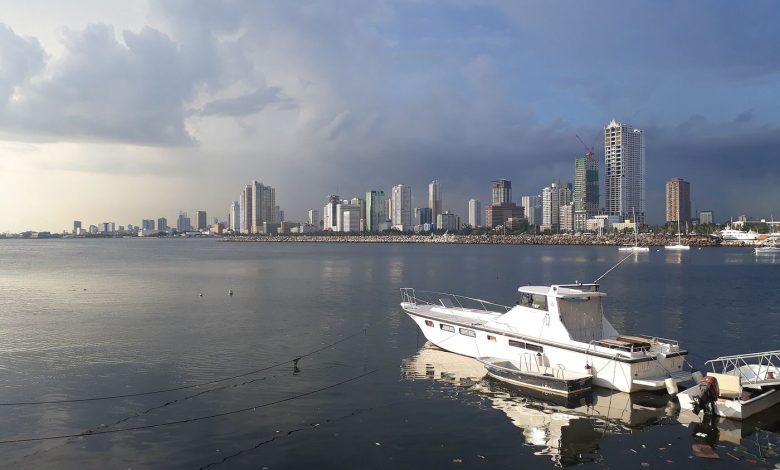
The 49th ASEAN Summit closed in Manila on 17 November 2026 with a landmark digital trade agreement but no deal on the South China Sea, the hardest problem facing the ten-member bloc. Leaders signed the ASEAN Digital Economy Framework Agreement, setting common rules for digital trade, electronic payments and data protection, and concluded a free trade agreement with Canada on 15 November. All 11 members also signed an enhanced agreement on the ASEAN Power Grid, and President Ferdinand Marcos Jr announced that a proposed undersea power cable linking Sabah in Malaysia with Mindanao in the Philippines would move into implementation. The summit produced more than 150 outcome documents across three days of meetings, and Marcos handed the rotating chairmanship to Singapore’s Prime Minister Lawrence Wong at the closing ceremony. The Philippines chaired the grouping for the year under the theme of navigating the future together.
What the Evidence Shows
The unfinished business was the long-delayed code of conduct for the South China Sea, which ASEAN and China have negotiated for more than two decades. Marcos estimated the talks were 85 to 90 per cent complete, though Foreign Secretary Theresa Lazaro put the figure at 77 per cent, and the remaining disputes over definitions and whether the code will be legally binding will pass to Singapore’s chairmanship in 2027. Leaders also adopted a revised, phased approach to the Five-Point Consensus on Myanmar, where civil war continues. US President Donald Trump attended the final day, joining a Quad meeting with India, Japan and Australia, before flying on to Shenzhen for the APEC summit. The summit also advanced a new ASEAN Maritime Centre to be based in the Philippines, a declaration on artificial intelligence for small businesses, and a semiconductor roadmap, while leaders reviewed the Five-Point Consensus on Myanmar and agreed a phased, progress-based approach to engagement. Reporting and analysis from sources such as Associated Press track the same developments, and specialists following the 49th ASEAN Summit in Manila say the direction is now consistent across independent lines of evidence.
The Wider Context
Regional and local reporting on the 49th ASEAN Summit in Manila often tells a different story from national coverage, because the effects land unevenly: one town’s pilot is another’s distant proposal. Analysts who follow the subject full-time read the local data first, arguing that national averages conceal the variation that decides whether a policy or a project deserves to spread.
What Happens Next
The longer story of the 49th ASEAN Summit in Manila is still being written by the people closest to it, whose experience rarely matches the earliest predictions of either supporters or critics. Reporting will continue to follow the evidence as it accumulates, including where it complicates today’s account. That is the deal serious coverage makes with its readers, and it holds for this subject as for any other. You can follow related developments in our coverage of news.
It is also worth remembering how quickly the picture in this area has changed before. Positions that looked settled a few years ago have been revised as new data arrived, and the same humility is appropriate now. The strongest coverage of this subject, and the most useful advice, tends to come from sources that update their views openly when the facts move, rather than defending an earlier position long after it has stopped fitting the evidence available.