
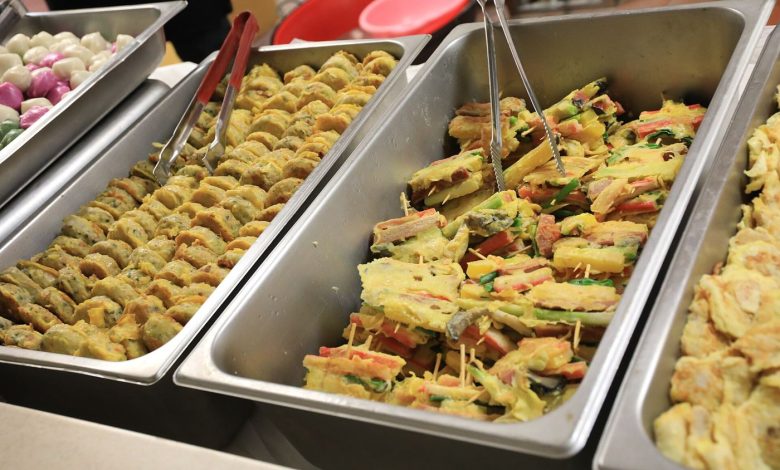
In church halls and community centres across the country, volunteers are cooking hot meals for neighbours who might otherwise go hungry, as food prices and energy bills squeeze household budgets. Community kitchens began as small projects, often a single weekly lunch, but many now serve hundreds of meals a week, with queues forming before the doors open. The people who come include pensioners living alone, parents stretching a weekly shop, and workers whose wages no longer cover the month. Organisers say the meals are about more than food, since the dining room is also a place to talk, to find company, and to hear about other help, from debt advice to warm clothing. Donations come from supermarkets, farms and local shops, while volunteers give their time to cook, serve and wash up. Councils and charities say the kitchens have become a lifeline, and that demand keeps rising, with new kitchens opening in towns that never had one before.
What the Evidence Shows
Those who run the kitchens say the hardest part is keeping up with demand, since every new visitor needs a plate and the cost of ingredients keeps climbing. They rely on surplus food from shops and farms, turning what would be wasted into stews, soups and roasts, and they welcome donations of tinned goods and fresh vegetables. Volunteers say the work is rewarding, and that many of them began as visitors themselves, returning to help once their own situation improved. Experts on food poverty say the kitchens are a vital safety net, but they warn that charity alone cannot solve the problem, and that wages, benefits and food prices must be part of the answer. For now, the kitchens carry on, with new volunteers joining each month and new tables added as the queues grow. The organisers say their door stays open to anyone, with no questions asked and no one turned away. Reporting and analysis from sources such as Associated Press track the same developments, and specialists following the rise of community kitchens say the direction is now consistent across independent lines of evidence.
The Wider Context
Regional and local reporting on the rise of community kitchens often tells a different story from national coverage, because the effects land unevenly: one town’s pilot is another’s distant proposal. Analysts who follow the subject full-time read the local data first, arguing that national averages conceal the variation that decides whether a policy or a project deserves to spread.
What Happens Next
The longer story of the rise of community kitchens is still being written by the people closest to it, whose experience rarely matches the earliest predictions of either supporters or critics. Reporting will continue to follow the evidence as it accumulates, including where it complicates today’s account. That is the deal serious coverage makes with its readers, and it holds for this subject as for any other. You can follow related developments in our coverage of news.
It is also worth remembering how quickly the picture in this area has changed before. Positions that looked settled a few years ago have been revised as new data arrived, and the same humility is appropriate now. The strongest coverage of this subject, and the most useful advice, tends to come from sources that update their views openly when the facts move, rather than defending an earlier position long after it has stopped fitting the evidence available.